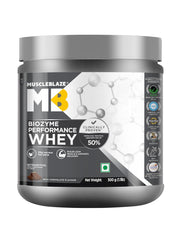
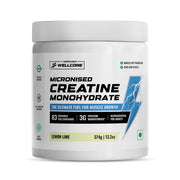
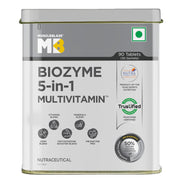
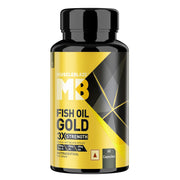
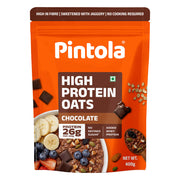
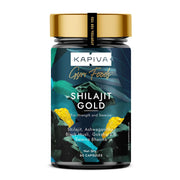
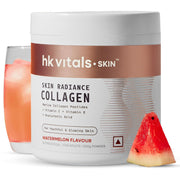
Most of what you need to judge a supplement is printed right on the container - if you know how to read it. Marketing copy on the front of the label is designed to sell you; the fine print on the back and sides is where the actual substance lives. This guide covers exactly what to check before you buy, so you're evaluating a product on facts rather than front-of-pack claims.
Interpreting the ingredient and dosage panel
The supplement facts panel should list every active ingredient along with the exact amount per serving, not just the ingredient name. For something like creatine, magnesium, or a specific amino acid, compare the listed dose against the range shown as effective in general nutrition literature - for example, creatine's well-supported range is 3-5g daily, and a product providing a fraction of that per serving isn't going to deliver comparable results even if creatine appears prominently on the front label. Also check the serving size the dosage is based on: a product might look impressively dosed per "2 scoops" but far less so per single scoop, which matters if you were planning to take one scoop based on the front-of-pack image.
Spotting proprietary blends
A "proprietary blend" or "complex" lists a group of ingredients together with only a single combined weight, rather than breaking out how much of each individual ingredient is actually present. This makes it impossible to know if the ingredient you're actually paying for - say, a specific active compound - is present in a clinically meaningful amount or just a token quantity used mainly for the label. Ingredients are legally required to be listed in descending order by weight within a blend, so if the ingredient you care about is listed last in a blend with four or five other components, it's reasonable to assume it makes up a small fraction of the total blend weight. Fully disclosed labels, where every ingredient has its own individual dosage listed, are always preferable when comparing similar products.
A quick blend-spotting trick
If a supplement fact panel shows a single combined number (like "Recovery Complex - 5g") followed by a list of ingredients with no individual amounts, treat every efficacy claim tied to that blend with skepticism until you can find individual dosing elsewhere.
Certification marks worth trusting
Not all certification logos carry equal weight. Third-party testing certifications like Informed-Sport and NSF Certified for Sport specifically test finished products for banned substances and label accuracy, and are particularly valuable for competitive athletes. FSSAI licensing, mandatory for any supplement legally sold in India, confirms basic regulatory compliance but isn't a mark of superior quality by itself. Be cautious of generic seals with vague names like "quality tested" or "lab verified" that aren't tied to a recognizable, independently run certification body - these are sometimes self-created marketing graphics rather than genuine third-party endorsements.
Practical tip: Search the certifying body's own website (not the supplement brand's site) to confirm a specific product or batch is actually currently certified - certifications can lapse or apply only to specific SKUs, not a brand's entire product line.
Serving size tricks that can mislead
Manufacturers can make protein, calorie, or sugar content look better than it is by manipulating serving size definitions. A protein bar advertised as "20g protein" per bar sounds identical to one where the serving size is defined as "half a bar" for 20g - meaning a full bar actually delivers 40g along with double the calories and sugar shown on the front panel per serving. Always check the serving size definition against what you'd realistically eat or drink in one sitting, and do the math yourself if a serving size seems smaller than a typical single use.
- Compare each ingredient's actual per-serving dose against known effective ranges, not just its presence on the label.
- Proprietary blends hide individual ingredient amounts - treat efficacy claims tied to them with caution.
- Verify third-party certifications like Informed-Sport directly on the certifying body's website, not just the brand's claim.
- Check the defined serving size carefully, since it can be set smaller than a realistic single use to flatter the numbers.
- FSSAI licensing is a regulatory minimum, not a quality differentiator between competing products.
Are proprietary blends automatically a bad sign?
Not automatically dishonest, but they reduce transparency and make it impossible to verify effective dosing of individual ingredients, so all else being equal, a fully disclosed label is the safer choice.
How do I know if a dose is actually effective?
Compare the per-serving amount to commonly cited effective ranges for that ingredient from general nutrition and sports science sources, and be skeptical of doses that fall well below typical studied amounts despite bold front-label claims.
Why do some labels list ingredients in a strange order?
Ingredients within a blend must be listed by descending weight, so the order itself tells you roughly how much of each ingredient is present relative to the others, even without exact numbers.