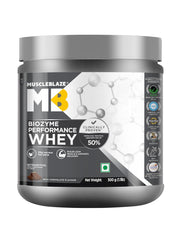
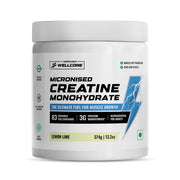
Walk down any supplement aisle and you'll see the same basic ingredient - whey protein, creatine, a multivitamin - priced anywhere from budget to eye-wateringly premium. Sometimes that price gap reflects a genuine difference in quality; sometimes it's almost pure branding. Knowing which is which lets you spend your money where it actually matters instead of assuming price always equals quality, or the opposite.
What actually drives cost differences
Several real cost factors separate supplement brands: raw ingredient sourcing (grass-fed whey, patented specific ingredient forms, or higher-purity raw material costs more to procure), manufacturing standards (a facility with extensive third-party testing and certifications costs more to operate than a bare-minimum compliant one), and formulation complexity (a product with a dozen well-dosed active ingredients costs more to produce than a single-ingredient product). Beyond that, though, a large share of premium pricing goes toward marketing, athlete sponsorships, retail markups, and brand positioning - none of which affect what happens in your body. Packaging design, tub aesthetics, and flavor system licensing also add cost without adding function.
When paying more genuinely buys better quality
Premium pricing is justified when it buys you independently verified purity and dosing (batch-tested products with published Certificates of Analysis), ingredient forms with genuinely better absorption or tolerance (for example, a whey isolate with lower lactose than a basic concentrate, useful if you're lactose-sensitive), or specialty formulations solving a specific problem a basic product can't (allergen-free processing facilities, for instance, matter enormously if you have an actual allergy). If a premium product's price difference maps onto one of these concrete, verifiable factors, it's a reasonable value proposition rather than pure markup.
A useful gut check
Ask what specifically the extra money is paying for. If you can point to a documented, verifiable difference - testing, sourcing, formulation - the premium is likely earning its price. If the honest answer is "the branding and the athlete on the tub," you're paying for marketing.
When budget options perform just as well
For simple, single-ingredient products with well-established, generic active compounds - plain creatine monohydrate is the clearest example - there is very little functional difference between a budget and premium brand once both meet basic purity standards, since the molecule itself is identical regardless of price. The same logic often applies to basic whey protein concentrate from a reputable manufacturer: once protein content and amino acid profile check out, a mid-range option frequently performs indistinguishably from a premium one in terms of actual training outcomes. Store or house-brand versions of common vitamins and minerals, when third-party tested, often deliver equivalent value to branded versions at a meaningfully lower price.
Practical tip: For plain, single-ingredient supplements like creatine monohydrate or basic vitamin D, prioritize verified purity testing over brand name - the compound itself doesn't change based on price once quality is confirmed.
How to allocate your supplement budget wisely
A sensible approach is to spend selectively rather than uniformly premium or uniformly budget across your entire supplement stack. Reserve premium spending for products where formulation complexity, sourcing, or verified purity genuinely matters to you - a daily protein source you consume in large quantities, or a product addressing a specific sensitivity or allergy. Save money on simple, generic single-ingredient supplements where a properly tested budget option delivers essentially the same molecule. Redirecting the savings from unnecessary premium spending toward things that move the needle more - consistent training, adequate total protein intake, sleep - usually produces better outcomes than chasing the most expensive version of every product on your shelf.
- Real cost drivers include sourcing, manufacturing standards, and formulation complexity - but marketing and branding inflate price too.
- Premium pricing is worth it when it buys verified purity, better-tolerated ingredient forms, or genuine specialty formulation.
- Simple single-ingredient supplements like creatine monohydrate show little functional difference between budget and premium once purity is verified.
- Spend selectively: premium where complexity or sensitivity matters, budget where the underlying ingredient is generic and well-tested.
- Money saved on unnecessary premium spending is often better redirected toward training consistency and total daily protein intake.
Is more expensive protein powder always higher quality?
Not necessarily. Compare verified protein content, amino acid profile, and third-party testing rather than assuming price reflects quality - some mid-range brands test just as well as premium ones.
Should I always buy the cheapest option available?
Not always - cheapest options sometimes cut corners on testing or use lower-quality raw ingredients. The goal is verified value, not simply the lowest price on the shelf.
Does a higher price guarantee better absorption or effectiveness?
No. Absorption and effectiveness depend on the specific ingredient form and dose, not price. Check the label and any available testing data rather than assuming price correlates with bioavailability.