Counterfeit supplements don't just waste your money - underdosed or contaminated products can pose real health risks, and there's no way to know what you actually swallowed after the fact. The good news is that verifying authenticity is a fairly mechanical process once you know the checkpoints. This article walks through a practical, step-by-step approach to verifying a product is genuine before you buy, rather than after you've already opened and used it.
Checking seller credibility and distributor status
Start with the seller, before you even look at the product itself. Search whether the seller is named on the brand's official list of authorized distributors or retailers - most established supplement brands maintain one on their website. Check how long the seller's storefront has existed and its review history; a marketplace account created recently with few reviews but suddenly selling a popular, expensive brand at a steep discount is a common counterfeit pattern. For sellers on large marketplaces, look specifically for "sold by [official brand name]" designations rather than generic third-party marketplace sellers, and be wary of listings where the product photos look reused or inconsistent with the seller's other listed products.
Verifying batch numbers and manufacturer contact details
Every legitimately manufactured supplement batch has a lot number and manufacturing/expiry date printed on the packaging, usually on the bottom or side of the container. Before purchasing, ask the seller to share a photo of this information, or check it against the brand's official verification tool if one exists (SMS-based codes, QR codes, or an online lookup). A genuine product's manufacturer or importer should have a real, findable contact address and customer service line - if a listing or website has no verifiable contact information beyond a generic email, treat that as a warning sign rather than a minor inconvenience.
A pre-purchase question worth asking
Message the seller directly and ask them to confirm the batch number and manufacture date visible on the specific unit they'll be shipping. A legitimate seller can answer quickly and specifically; a reseller of counterfeit stock often responds vaguely or not at all.
Spotting inconsistencies in packaging and labeling
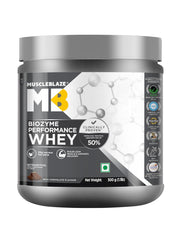
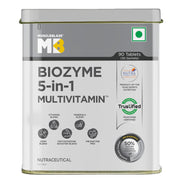
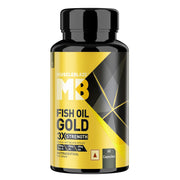
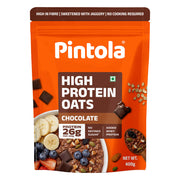
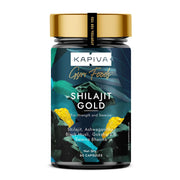
Compare product photos in the listing against official images on the brand's own website side by side. Look for mismatched fonts, slightly different color saturation, logos that appear stretched or pixelated, and label text that doesn't match the ingredient list on the brand's official product page. Weight and nutrition information should match exactly between what's listed and what the brand publishes officially - even small unexplained differences in protein-per-serving or total tub weight between a listing and the official spec sheet are worth flagging before you buy.
Practical tip: Before ordering an expensive or frequently counterfeited product, open the brand's own official website in one browser tab and the marketplace listing in another, and compare product photos side by side at full zoom - inconsistencies are far easier to spot this way than from memory.
What to do if you suspect a product is fake
If you've already received a product and something feels off - unusual smell or taste, inconsistent texture, a seal that looks tampered with, or a failed authenticity code check - stop using it immediately rather than finishing the container while unsure. Document the packaging, batch code, and any purchase confirmation with photos, then contact the brand directly through their official customer service channel to report it; most established brands want to know about counterfeit sightings and can confirm authenticity from your photos. Separately, report the seller or listing to the platform you purchased from, and consider requesting a refund through the platform's buyer protection process rather than solely through the seller, since a counterfeit seller has no incentive to cooperate.
- Verify the seller is an authorized distributor before checking anything about the product itself.
- Confirm batch numbers, manufacture dates, and authenticity codes through the brand's official channel, not the seller's claims.
- Compare packaging, labeling, and nutrition figures against the brand's official website images and specs.
- Treat missing or vague manufacturer contact information as a significant red flag.
- If you suspect a fake, stop use, document everything, and report to both the brand and the selling platform.
Can I trust a product just because it has a hologram or seal?
Not on its own - security features raise the bar for counterfeiters but have been replicated before. Combine this check with seller verification and batch code confirmation for real confidence.
Is it safe to buy from marketplace sellers with good reviews?
Good reviews help but aren't definitive, since review histories can be manipulated or apply to different, genuine products the seller has also listed. Authorized distributor status is a stronger signal than review count alone.
What if the brand doesn't respond to my authenticity report?
Give it a reasonable window (a few business days), then escalate through the marketplace's buyer protection or dispute process, which typically doesn't require the brand's cooperation to issue a refund.