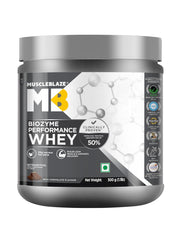
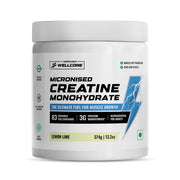
Counterfeit and diverted supplements are a well-documented problem in the Indian market, especially for popular imported whey and pre-workout brands where genuine stock is expensive and demand is high. A fake tub can mean anything from underdosed protein to contamination with untested fillers, so knowing how to buy safely matters as much as knowing what to buy. This guide walks through the practical steps for making sure what arrives at your door is the real product.
Trusted purchase channels versus high-risk sellers
The safest channels are a brand's own official website, its listed authorized distributors, or marketplace storefronts explicitly verified as "Sold by [Brand] India" or an authorized reseller - not just any third-party seller listing the product on a large marketplace. Generic marketplace listings with multiple unrelated sellers competing on the same product page, deep-discount deals on social media ads, and unofficial resellers on messaging apps are where counterfeit risk concentrates. If a brand publishes an official list of authorized retailers on its website (most international brands selling in India do), cross-check any seller you're unfamiliar with against that list before ordering.
Verifying batch codes and authenticity features
Most legitimate international supplement brands now include some form of verifiable authenticity marker - a scratch-off code you can check on the brand's official verification page or via SMS, a QR code linking to a batch-specific verification tool, or a hologram with specific security features described on the brand's website. Before you open or consume a product, check this code through the brand's official verification channel (not a link from the seller, from the brand's own site or app) and confirm the batch number and manufacturing date look consistent with a recently produced product rather than old or mismatched stock.
What to do before the seal is broken
Verify authenticity codes before opening the tub whenever possible - many brands' verification systems only allow you to act on a failed or duplicate code before consumption, since returns after opening are rarely accepted.
Common signs of counterfeit packaging
Look closely at print quality: blurry or slightly misaligned logos, fonts that don't quite match official product photos, colors that look faded or oversaturated, and spelling errors in the ingredient panel are all classic counterfeit tells. Check the seal - a foil seal that looks re-glued, a scoop that's a different shape or material than the brand's official product photos, or a lid that doesn't click shut with the same resistance as previous genuine purchases. Compare the label's regulatory information: genuine imported supplements sold legally in India should show FSSAI import license details and a local importer's name and address, not just the foreign manufacturer's details alone.
Practical tip: Photograph the tub, seal, scoop, and batch code immediately upon opening a new purchase, before you use any of it. If you later suspect it's fake, you'll have documentation to support a complaint or refund request rather than just your word.
Why price alone shouldn't decide your purchase
A steep discount on an internationally popular brand is one of the strongest counterfeit signals there is, but it's tempting to rationalize a great deal as simply good luck. Genuine import costs, GST, and distribution margins put a realistic floor under what an authentic product can sell for; anything priced dramatically below every other authorized seller is a reason for more scrutiny, not less. At the same time, a high price is not proof of authenticity either - counterfeiters often price close to genuine market rates specifically to avoid raising suspicion. Price should be one data point among several, evaluated alongside seller legitimacy and packaging checks, never the deciding factor on its own.
- Buy from official brand websites or explicitly authorized resellers, not generic unverified marketplace listings.
- Always verify batch codes and authenticity features through the brand's own official channel before opening the product.
- Check print quality, seal integrity, and scoop design against official product photos.
- Confirm the label shows proper FSSAI import details and local importer information for imported products.
- Treat steep discounts as a reason for extra scrutiny, not automatically as a bargain.
What should I do if I suspect I bought a fake?
Stop using the product, photograph the packaging and any batch codes, contact the brand directly through their official verification or support channel, and report the seller to the marketplace or platform where you purchased it.
Are marketplace "official store" badges reliable?
Generally yes, but always cross-check the seller name shown on the listing against the brand's own published list of authorized retailers, since badge programs vary in how strictly they're policed.
Does a hologram or QR code guarantee authenticity?
These features make counterfeiting harder but aren't foolproof on their own, since sophisticated counterfeiters have replicated some security features in the past. Combining code verification with packaging and seller checks gives you much stronger confidence.