Walk down any supplement aisle and you'll find fish oil ranging from budget bottles to premium capsules costing several times more, with almost no way to tell the difference just by looking at the label. Quality varies enormously in this category, and a poorly made product can be not just ineffective but genuinely unpleasant to take. Here's what actually separates good fish oil from bad.
Why Oxidation Is the Biggest Quality Issue
Fish oil is highly prone to oxidation — a chemical breakdown process triggered by exposure to heat, light, and air that degrades the delicate omega-3 fatty acids and produces compounds associated with an unpleasant "fishy" aftertaste and burps. Oxidized fish oil isn't just less pleasant to take; the degraded fats are also less biologically useful and, in more extreme cases, potentially harmful with prolonged consumption.
Signs of oxidation include a strong rancid or "old fish" smell (fresh fish oil should smell mild, not overpowering), a metallic or bitter aftertaste beyond typical fish burps, and capsules that appear discolored or cloudy. Since oxidation happens gradually, even a well-made product can degrade if stored poorly or kept past its shelf life.
How to Check EPA and DHA Content Versus Total Fish Oil Weight
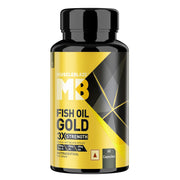
This is the single most overlooked detail on fish oil labels. A capsule listing "1000mg fish oil" tells you almost nothing about how much of the actually beneficial EPA and DHA it contains — some low-quality products deliver only 150-300mg of combined EPA/DHA per 1000mg of oil, with the rest being other fats.
Always check the supplement facts panel specifically for "EPA" and "DHA" listed separately in milligrams, not just the total fish oil or fish body oil weight. A reasonably concentrated product delivers 500mg+ combined EPA/DHA per serving; premium concentrated formulations can reach 800mg-1g+ per capsule. Comparing products by total fish oil weight alone can make a genuinely inferior product look comparable to a much better one.
Practical tip: Do the math per rupee spent on actual EPA+DHA content, not per bottle or per capsule. A cheaper bottle with low EPA/DHA concentration often costs more per gram of usable omega-3s than a pricier, more concentrated product.
Third-Party Purity Testing for Heavy Metals and Contaminants
Fish accumulate environmental contaminants like mercury, PCBs, and dioxins from the water they live in, and these can carry through into unrefined fish oil if not properly processed. Reputable manufacturers put their product through molecular distillation, a purification process that removes these contaminants, and then verify the result through third-party testing.
Look for products that reference independent purity testing or certifications on the label or their website, rather than relying solely on the manufacturer's own internal claims. This is one area where established, transparent brands genuinely differ from ones that provide no verification at all.
Storage Tips to Keep Your Fish Oil From Going Rancid
- Refrigerate after opening — cold storage significantly slows the oxidation process compared to room temperature
- Keep it away from direct light — light exposure accelerates fat breakdown, so a dark cupboard or the fridge door is preferable to a sunny kitchen counter
- Reseal the bottle promptly — minimizing air exposure each time you open it reduces oxidation over the product's shelf life
- Buy a size you'll finish within a few months — a large bottle that sits open for a year will oxidize more than a smaller bottle used up quickly
- Do a smell and taste check periodically — if it smells noticeably rancid or leaves a strong bitter aftertaste beyond normal fish burps, it's likely oxidized and worth replacing
- Oxidation is the single biggest quality issue in fish oil, degrading both effectiveness and taste
- Always check actual EPA and DHA milligrams, not just total fish oil weight, when comparing products
- Third-party purity testing for heavy metals and contaminants separates reputable brands from unverified ones
- Refrigeration and minimal light/air exposure meaningfully slow oxidation after opening
- A strong fishy smell or bitter aftertaste is a practical sign the product has started to oxidize
Why does my fish oil give me fishy burps?
Mild fish burps are common and generally normal, especially with lower-quality or less-processed oils. Strong, persistent fishy burps or a rancid taste can indicate oxidation, and taking capsules with food or refrigerating them can help reduce mild burping.
Is a higher total fish oil amount on the label always better?
No — total fish oil weight doesn't tell you the concentration of the actually beneficial EPA and DHA. Always check those two figures specifically rather than judging by the total oil amount alone.
How long does fish oil last once opened?
Most manufacturers recommend using an opened bottle within 2-3 months when refrigerated, though this varies by product. If it develops a strong rancid smell or taste before then, it's best to discard it regardless of the printed expiry date.