Supplement brands market dozens of "advanced" creatine forms - HCL, buffered, liquid, ethyl ester, and more - each claiming better absorption or fewer side effects than plain old monohydrate. Yet creatine monohydrate remains by far the most studied form of creatine in existence, with a research history spanning decades. This article compares the evidence behind each variant so you're not paying a premium for a claim that doesn't hold up.
Why Monohydrate Has the Deepest Research Base
Creatine monohydrate has been the subject of far more research than any other form, covering dosing, long-term safety, performance benefits, and use across different populations (athletes, older adults, and clinical contexts). This depth of research matters practically: it means monohydrate's effects, safe dosing range, and side-effect profile are extremely well characterized, with a strong track record. Newer forms simply haven't been through anywhere near the same volume or duration of testing, which means any claimed advantage is largely untested in comparison rather than genuinely disproven - but the burden of proof sits with the newer, less-studied forms, not with monohydrate.
What Claims About HCL, Buffered, and Liquid Creatine Actually Hold Up
Reviewing the marketing claims against available evidence:
- Creatine HCL: marketed as more soluble and requiring a smaller dose. It is genuinely more soluble in water, but higher solubility doesn't automatically translate to better absorption or effectiveness in the body - the available evidence doesn't show it outperforms monohydrate at equivalent effective doses.
- Buffered creatine (e.g. Kre-Alkalyn): marketed as more stable and less likely to break down into creatinine before use. Research comparing it directly to monohydrate has not shown a meaningful performance advantage, despite the more sophisticated-sounding pitch.
- Liquid creatine: creatine is actually less stable in liquid form over time and can degrade into creatinine (an inactive byproduct) before you even consume it - if anything, this is a mark against liquid formulations rather than an advantage.
- Ethyl ester creatine: marketed around theoretically better absorption through cell membranes, but available research hasn't shown superior results, and some evidence suggests it may convert to creatinine faster, potentially wasting product.
Absorption and Effectiveness Differences Between Forms
The core physiological reality is that once creatine is absorbed, muscle cells don't treat it differently based on which form it originally came from - creatine is creatine at the cellular level. The real differences between forms are almost entirely about solubility, stomach comfort, and stability before ingestion, not about what happens once it's actually in your system. Monohydrate's only commonly reported downside is slightly lower water solubility, which occasionally causes mild digestive discomfort in some users at higher single doses - a minor and easily managed issue (smaller split doses or mixing with warm water helps) rather than a genuine performance limitation.
Practical tip: If plain monohydrate causes stomach discomfort, try dissolving it in warm water and letting it sit for a minute before adding cold liquid, or splitting a single dose into two smaller ones across the day - both fix most solubility-related discomfort without needing to switch to a pricier alternative form.
Which Form Offers the Best Value for Most People
Creatine monohydrate is almost always the cheapest form per effective gram, precisely because it's produced at scale and doesn't carry a premium for marketing claims that outperform its research base. Given that no alternative form has demonstrated a clear, reproducible performance advantage over monohydrate at equivalent doses, and monohydrate has by far the longest safety track record, it remains the sensible default for the overwhelming majority of users. The main exception worth considering is someone with genuine, persistent digestive discomfort from monohydrate specifically who has already tried dose-splitting and mixing adjustments - in that narrow case, trying HCL (for its higher solubility) may be worth the extra cost as a personal-tolerance decision, not because it's proven more effective.
- Creatine monohydrate has by far the deepest and longest research history of any creatine form.
- HCL, buffered, and liquid forms make plausible-sounding claims that haven't been shown to outperform monohydrate in practice.
- Liquid creatine may actually be less stable, potentially degrading before it's even consumed.
- Once absorbed, the body doesn't treat creatine differently based on its original form - differences are mainly about solubility and stomach comfort.
- Monohydrate remains the best value and most reliable default for the vast majority of users.
Is creatine HCL ever worth the extra cost?
Mainly for people with persistent digestive discomfort from monohydrate who've already tried splitting doses and mixing adjustments. For most users, it's an added cost without a proven added benefit.
Do micronized versions of monohydrate work better?
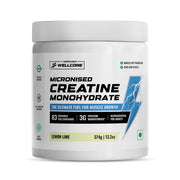
Micronized monohydrate is simply ground to a finer particle size, which improves solubility and reduces grittiness. It's the same active compound with better mixability, not a functionally different or superior form.
Should I switch forms if I've been using monohydrate for years with no issues?
No - there's no evidence-based reason to switch away from a form that's working well for you. Monohydrate's long track record is itself a point in its favor for continued use.