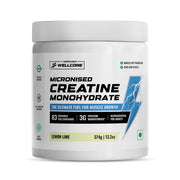
Creatine monohydrate is one of the most heavily studied compounds in all of sports nutrition, with decades of controlled trials behind it. Despite that, it remains one of the most misunderstood supplements on the market, dogged by myths about kidney damage, water bloat, and "only for bodybuilders" positioning. This article walks through what the accumulated research actually shows, where the evidence is still thin, and how to make sense of the contradictory headlines you'll inevitably run into.
Key findings on strength and power
The most consistent, well-replicated finding across the literature is that creatine supplementation increases the phosphocreatine stores in skeletal muscle, which directly fuels the ATP-PCr energy system used during short, high-intensity efforts. Practically, this translates into measurable improvements in one-rep max strength, repeated sprint performance, and power output in activities lasting under about 30 seconds per effort. Studies on resistance training programs combined with creatine typically show greater gains in lean mass and strength compared to training alone, with effect sizes that are modest but real - often in the range of a few extra kilograms on compound lifts over an 8-12 week training block. The effect tends to be more pronounced in people who start with lower baseline muscle creatine stores, including many vegetarians and vegans, since dietary creatine comes almost exclusively from meat and fish.
What long-term safety studies have found
Creatine monohydrate has been studied in supplementation periods ranging from a few weeks to several years, including populations with pre-existing health considerations, and the safety profile has held up consistently in people with normal kidney function. The recurring concern about kidney strain stems from the fact that creatine supplementation raises serum creatinine, a marker doctors use to estimate kidney function - but this rise reflects increased creatine turnover, not actual kidney damage. Long-term studies have not found evidence of impaired kidney or liver function in healthy adults using standard doses. The most commonly reported side effect is mild, temporary water retention, particularly during a loading phase, which is a function of creatine's osmotic effect on muscle cells rather than a health risk.
Who should be more cautious
People with pre-existing kidney disease, or those taking medications that affect kidney function, should talk to a doctor before starting creatine, since the existing safety data is drawn overwhelmingly from healthy populations.
Areas where research is still developing
Not everything about creatine is settled. Its effects on cognitive function, particularly under conditions of sleep deprivation or stress, are an active and growing area of research with promising but not yet conclusive results. Similarly, questions around optimal dosing for different body sizes, whether cycling on and off creatine offers any benefit (current evidence suggests it doesn't), and its role in specific clinical populations are still being worked out. Research on female athletes and creatine's interaction with hormonal cycles is also comparatively under-studied relative to the volume of research on men, which is a real gap worth acknowledging rather than glossing over.
Practical tip: A daily dose of 3-5 grams of creatine monohydrate, taken consistently at any time of day, is sufficient to saturate muscle stores within 3-4 weeks without needing a loading phase - loading just gets you there faster, typically within 5-7 days at 20g/day split into smaller doses.
How to interpret conflicting headlines
Much of the apparent controversy around creatine comes from media coverage rather than the underlying science. A single study showing a null result in a narrow context often gets reported as "creatine doesn't work," while the broader body of evidence pointing the other way gets ignored. When you see a headline that contradicts the general consensus, it's worth checking whether it's based on a single small study, a different population than you're part of, or a dosing protocol very different from standard recommendations. Peer review and replication across many independent labs matter far more than any single attention-grabbing result.
- Creatine consistently improves strength, power, and lean mass gains when combined with resistance training.
- Long-term safety data in healthy adults does not show kidney or liver harm at standard doses.
- Elevated creatinine readings on bloodwork while supplementing are expected and not a sign of kidney damage on their own.
- Cognitive benefits and use in specific clinical populations are promising but still emerging areas of research.
- 3-5g daily taken consistently is enough for most people; loading phases only speed up saturation, they don't improve the ceiling.
Does creatine cause hair loss?
The evidence here is limited to one small study that measured a hormone linked to hair loss risk, not actual hair loss itself. There is no strong direct evidence that creatine causes hair loss, though anyone with a strong family history of androgenic alopecia may want to discuss it with a doctor.
Do I need to cycle off creatine periodically?
No. Current research does not support any benefit to cycling on and off creatine. Continuous daily use at a maintenance dose is well studied and appears equally safe over the long term.
Is creatine only useful for bodybuilders?
No. Creatine benefits anyone doing repeated high-intensity efforts - sprinters, team-sport athletes, and general strength trainees alike - and emerging research also points to benefits for cognitive performance and healthy aging in non-athletic populations.