For years, creatine was marketed almost exclusively to men chasing bigger lifts and bigger muscles, so it's no surprise many women either avoid it entirely or assume it isn't meant for them. The research picture tells a different story. Creatine is one of the most extensively studied supplements in sports nutrition, and a growing body of female-specific research shows it offers real, practical benefits across strength training, cognitive performance, and different hormonal life stages, without the exaggerated side effects the myths suggest.
This article breaks down what the evidence actually supports for women, why the bloating concern is largely overstated, how to dose it based on your bodyweight, and why "bulky muscle" fears don't hold up physiologically.
Benefits of Creatine Across Strength, Cognition, and Hormonal Life Stages
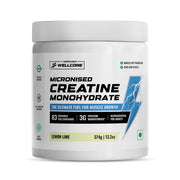
Creatine monohydrate works by increasing the availability of phosphocreatine in muscle cells, which helps regenerate ATP faster during short, intense efforts. For strength training, this translates into being able to complete an extra rep or two per set, recover faster between sets, and accumulate more total training volume over weeks and months, which is one of the primary drivers of strength and lean mass gains.
Beyond the gym, creatine has a growing research base in cognitive function, particularly under conditions of stress, sleep deprivation, or mental fatigue. Brain tissue relies on the same phosphocreatine energy system as muscle, and supplementation has been associated with improvements in short-term memory and reasoning tasks in some populations, an area of particular relevance for women juggling training, work, and caregiving demands on limited sleep.
Hormonal fluctuations across the menstrual cycle, pregnancy planning, postpartum recovery, and menopause all affect natural creatine synthesis and muscle metabolism. Estrogen influences creatine kinase activity, meaning requirements and response can shift across life stages. Women in perimenopause and menopause, who naturally experience accelerated muscle and strength loss, may find creatine particularly useful as part of a broader strategy that includes resistance training to preserve lean mass and bone-supporting muscle strength.
Why Women Are Far Less Likely to Experience Noticeable Bloating
The bloating myth is one of the biggest barriers keeping women from trying creatine, but it's rooted in outdated loading protocols rather than the supplement itself. Early creatine research used aggressive loading phases of 20g per day split into four doses, which did cause water retention in muscle cells for some users, occasionally noticeable as a fuller or slightly puffier look in the first week or two.
Women typically have less overall muscle mass than men, which means the total intracellular water shift from creatine is proportionally smaller and often imperceptible. Skipping the loading phase altogether and starting at a steady daily maintenance dose avoids the sharp water shift entirely, so most women who start this way report no noticeable bloating at all. Any water retention that does occur is stored inside the muscle cell, not under the skin, and does not resemble the subcutaneous bloating associated with excess sodium or digestive issues.
Recommended Dosing Based on Bodyweight for Women
Dosing creatine relative to bodyweight is more accurate than the flat "5g for everyone" advice often repeated online, since a 50kg woman and an 80kg man do not have the same muscle creatine storage capacity.
- Under 55kg: 2.5-3g per day is generally sufficient for saturation
- 55-70kg: 3-4g per day covers most women in this range
- Over 70kg: 4-5g per day matches typical male dosing recommendations
Consistency matters more than timing. Taking it at roughly the same time each day, with or without food, and with a source of carbohydrate or protein if convenient, is enough to reach full muscle saturation within 3-4 weeks at these maintenance doses without a loading phase.
Practical tip: Mix your daily dose into your post-workout shake or morning coffee rather than trying to remember a separate supplement ritual. Creatine is flavorless and dissolves easily, so adherence is the only real variable that affects results.
Addressing the Myth That Creatine Causes "Bulky" Muscle in Women
The fear that creatine will cause rapid, unwanted muscle bulk in women is not supported by how the supplement actually works. Creatine does not build muscle on its own; it improves training capacity by allowing more reps, sets, and total volume, which over time supports strength and modest lean mass gains when combined with a structured resistance training program.
Significant muscle hypertrophy requires a sustained training stimulus, adequate protein intake, and often a caloric surplus sustained over months, along with a hormonal environment that favors muscle building. Women generally have roughly 10-20 times lower testosterone levels than men, which is the primary reason women do not build muscle at the same rate or to the same visual scale even under identical training and supplementation. What creatine actually delivers for most women is improved training performance, slightly fuller-looking muscles from intracellular water (which many find aesthetically favorable rather than unwanted), and better recovery between sessions, not an unintended transformation into a bulkier physique.
What to Expect Realistically
Within the first month, most women notice improved recovery between sets and sessions, and the ability to push slightly harder on compound lifts. Visible physique changes track with training consistency over 8-12 weeks rather than the creatine itself, since its role is to support the training adaptation, not replace it.
- Creatine benefits extend beyond strength to cognitive function and hormonal life-stage support for women
- Skipping the loading phase avoids the water-retention spike associated with early bloating complaints
- Bodyweight-based dosing (2.5-5g daily depending on weight) is more accurate than one-size-fits-all advice
- Muscle bulk requires sustained training volume, protein intake, and hormonal conditions creatine does not provide on its own
- Full muscle saturation without loading takes about 3-4 weeks of consistent daily use
Do I need to cycle creatine on and off?
No cycling is necessary for most people. Creatine is safe for continuous long-term daily use, and cycling on and off simply delays reaching full muscle saturation without any added benefit.
Will creatine affect my menstrual cycle?
There is no established evidence that creatine supplementation disrupts the menstrual cycle. Some women report feeling less fatigued during training around their period, likely related to creatine's role in energy metabolism, though individual experience varies.
Can I take creatine while trying to conceive or while pregnant?
Discuss any supplement use during pregnancy planning, pregnancy, or breastfeeding with your doctor first, since research in these specific populations is limited and individual medical guidance should take priority over general supplement advice.