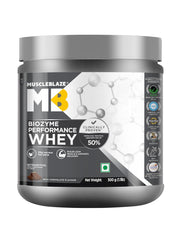
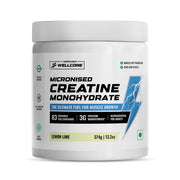
Walking into a supplement aisle for the first time can be genuinely overwhelming. Every label promises faster results, bigger pumps, and better recovery, and the marketing rarely matches the underlying science. The good news is that the fundamentals haven't changed in decades: a small handful of categories account for almost all of the real, reproducible benefit, and everything else is either a minor edge or pure noise. This guide breaks down what actually matters so you can spend your first few thousand rupees wisely instead of chasing hype.
The Core Supplement Categories
Nearly every product on a supplement shelf falls into one of five buckets:
- Protein powders (whey, casein, plant blends) - a convenient way to hit your daily protein target when whole food isn't practical, not a replacement for meals.
- Creatine monohydrate - the single most researched performance supplement in existence, supporting strength, power output and training volume.
- Pre-workout formulas - typically caffeine-based stimulant blends designed to increase alertness and perceived energy before training.
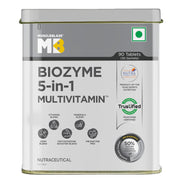
- Vitamins and minerals - useful for filling specific dietary gaps (vitamin D, B12, iron and magnesium are common shortfalls), not a blanket "insurance policy" for everyone.
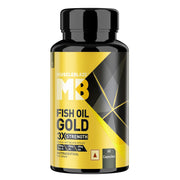
- Omega-3 fatty acids (fish oil or algae oil) - supports general cardiovascular and joint health, particularly if your diet is low in fatty fish.
What Has Strong Scientific Backing vs What's Marketing Hype
Strip away the marketing language and only a handful of ingredients have a deep, consistent research base: protein for muscle repair and growth, creatine for strength and power, and caffeine (the active driver in most pre-workouts) for alertness and short-term performance. These three have been studied across thousands of participants and consistently show measurable effects. Beyond that, the picture gets murkier fast. Ingredients like BCAAs sold as a standalone product add little if your total daily protein is already adequate. "Fat burner" blends built around a dozen exotic-sounding extracts rarely outperform caffeine alone, and often just repackage it at a markup. Testosterone "boosters" built on fenugreek or tribulus show inconsistent, mostly weak results in research despite bold label claims. The general rule: the more a product's marketing leans on words like "proprietary blend," "advanced formula," or a wall of ingredients each dosed at a few milligrams, the more likely it is riding on hype rather than evidence.
How to Prioritize Your First Three Supplement Purchases
If you're starting from zero, resist the urge to buy everything at once. A sensible order looks like this:
- Whey or plant protein powder - the most practical fix for the most common real-world gap, which is simply not hitting daily protein targets from food alone.
- Creatine monohydrate - cheap, extremely well-studied, and useful regardless of your specific goal (strength, muscle gain, or general training performance).
- A basic multivitamin or targeted vitamin (D3, B12) - only if your diet or blood work suggests an actual gap, not as a default "just in case" purchase.
Everything else - pre-workout, intra-workout carbs, specialty aminos, joint-support blends - can wait until these fundamentals are dialed in and you've been training consistently for at least a few months.
Practical tip: Buy your first tub of protein and your first bottle of creatine in the smallest size available, even if the per-serving cost is slightly higher. You're testing taste, digestion and habit-forming first - the bulk discount only matters once you know you'll actually finish the container.
Red Flags to Avoid When Buying Your First Products
A few warning signs are worth learning early, before you've spent real money on the wrong product:
- No visible manufacturer address or FSSAI license number on the label or product page - a basic transparency baseline any legitimate seller should clear.
- Proprietary blends that hide individual dosages - if a label lists a blend total but not each ingredient's amount, you can't judge whether any single component is dosed effectively.
- Claims that sound too dramatic - "lose 5kg in a week," "triple your testosterone," or similar language is a strong signal of a low-quality or outright unsafe product.
- Prices that are dramatically below market average for a recognizable brand - often a sign of counterfeit stock, especially common with imported whey brands sold through third-party marketplaces.
- No batch number or expiry date printed clearly - both should be easy to find and legible, not obscured or missing entirely.
None of this means supplements are risky by default - the well-known categories above have decades of safe use behind them. It just means a little label literacy goes a long way toward making sure your money buys what it claims to.
- Five categories cover almost everything worth buying: protein, creatine, pre-workout, vitamins/minerals, and omega-3s.
- Protein, creatine and caffeine have the strongest research support; exotic blends and proprietary formulas usually don't.
- Start with protein powder and creatine monohydrate before anything else - they're the highest-value, lowest-risk purchases.
- Add a vitamin only if your diet or blood work shows an actual gap, not as a default purchase.
- Check for FSSAI details, transparent dosing, and realistic claims before trusting a new brand.
Do I need all five supplement categories to see results?
No. Most beginners get the majority of benefit from just protein and creatine, both used consistently alongside a structured training program. The other categories are optional add-ons, not requirements.
Is more expensive always better quality?
Not necessarily. Price often reflects brand marketing and flavor R&D as much as ingredient quality. A mid-priced product with transparent labeling and third-party testing is usually a better bet than the most expensive option on the shelf.
How long before I notice a difference from creatine or protein?
Protein's benefit shows up indirectly, through better recovery and training consistency over several weeks. Creatine's strength and power benefits are typically noticeable within 2-4 weeks of consistent daily use, sooner if a loading phase is used.