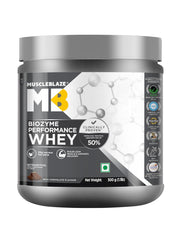
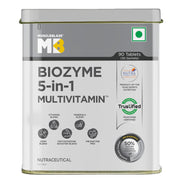
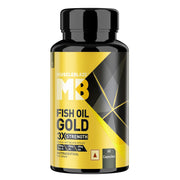
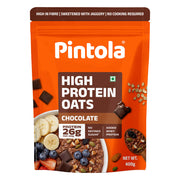
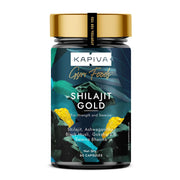
Counterfeiting isn't limited to handbags and watches. Sports nutrition is one of the most counterfeited product categories in the world, precisely because demand is high, margins are attractive, and most buyers have no easy way to verify what's actually inside the tub they just bought. A counterfeit protein powder isn't just a rip-off — it can contain unlisted fillers, contaminated ingredients, or wildly inaccurate protein content, none of which show up until it's already in your body.
The good news is that counterfeits almost always have tells, if you know where to look. This guide walks through the practical checks anyone can do in a few minutes, before or after a purchase.
Where Counterfeits Actually Come From
Most fake supplements don't come from shady back-alley operations — they come from two much more mundane sources: unauthorized third-party sellers on marketplaces who repackage cheaper product under a premium label, and old or already-expired genuine stock that gets relabeled with a fresh expiry date. Both are far more common than a fully fabricated counterfeit built from scratch, and both are detectable if you know what to check.
The safest purchase is always the one made directly from the brand's own store or an explicitly listed authorized retailer — not the cheapest listing you can find.
Check the Batch Number Against the Manufacturer
Every legitimately manufactured supplement batch has a unique batch or lot number, usually printed near the expiry date. Reputable brands increasingly offer a way to verify this number directly — through a website checker, an SMS/WhatsApp verification number, or a QR code on the packaging that links to an authentication page.
If you buy a product and its batch number comes back as "not found" or "invalid" through the brand's own verification system, stop using it and contact the brand directly. This single check catches the majority of counterfeits and relabeled expired stock, because faking a batch number that passes verification against the manufacturer's own database is far harder than faking the packaging itself.
Inspect the Packaging Details Closely
Counterfeiters are good at copying the big, obvious design elements of a label — but they routinely get the small details wrong. Compare your product against official product photos on the brand's own website, looking specifically at:
- Font consistency — slightly different fonts, weights, or spacing versus the official packaging
- Print quality — blurry text, color bleeding, or a matte finish where the original is glossy (or vice versa)
- Seal and cap quality — a loose, misaligned, or easily-removed induction seal under the lid
- Barcode — scan it with any barcode-reader app; it should return the correct product, not an unrelated item or nothing at all
Quick check: open the tub and smell and look at the powder itself. Genuine whey protein has a consistent color and a specific smell for its flavor — clumping, an off odor, or a color that doesn't match previous purchases of the same product are all warning signs worth acting on.
Price Is a Signal, Not Just a Bargain
If a listing is priced dramatically below every other retailer selling the same product — not 10-15% cheaper, but 40-50% or more — there's usually a reason. Legitimate retailers operate on relatively thin, consistent margins for popular supplement brands, since MRP and distributor pricing are fairly standardized. A price that looks too good to be true on a well-known brand is one of the strongest counterfeit signals there is, well before you've even opened the box.
Buy From Verified Sources
The single most effective counterfeit-avoidance strategy isn't detection after the fact — it's purchasing decisions before the fact. In order of safety:
- The brand's own official website or store
- Retailers explicitly listed as "authorized" on the brand's own website
- Established, well-reviewed sellers on major marketplaces, ideally ones fulfilled/shipped by the marketplace itself rather than a third-party seller
- Unverified third-party marketplace sellers with no brand authorization — treat any purchase here as higher-risk regardless of price or reviews
Reviews and seller ratings on a marketplace listing are not a reliable counterfeit signal on their own — counterfeit listings can accumulate genuine-looking reviews from buyers who never checked authenticity, or who received a real batch mixed among fake ones.
What to Do If You Suspect a Fake
If a batch check fails, the packaging looks off, or the product itself behaves strangely (won't mix, smells wrong, tastes different from a previous purchase), stop consuming it immediately. Contact the brand directly with photos of the packaging, the batch number, and where you purchased it — most brands take counterfeit reports seriously since it directly damages their reputation, and many will investigate the specific seller or listing.
- Most fakes come from unauthorized resellers or relabeled expired stock, not fully fabricated products.
- Always verify the batch number through the manufacturer's own checking system if one is available.
- Compare packaging fonts, print quality, seals, and barcodes against official product photos.
- A price dramatically below every other retailer is one of the strongest counterfeit warning signs.
- Buying directly from the brand or an explicitly authorized retailer is the most effective prevention strategy.
Can I trust a product just because it has good reviews on a marketplace?
Not entirely. Counterfeit listings can accumulate genuine-looking reviews over time, especially if only some units in a listing are fake. Reviews are a weak signal compared to direct batch verification with the manufacturer.
Is it safe to buy supplements from small independent gym stores?
It depends entirely on whether that store sources from authorized distributors. Ask directly whether they're an authorized retailer for the brand, and verify the batch number on anything you buy regardless of the store's reputation.
Do counterfeit supplements actually contain anything harmful?
Not always, but the risk is real — counterfeit products have been found with incorrect protein content, undisclosed fillers, and inconsistent quality control since they bypass the manufacturer's actual production standards entirely.