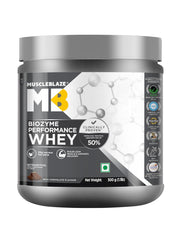
Not all supplements are created equal, and the gap between a well-manufactured product and a poorly controlled one can be significant. Supplements don't go through the same pre-market approval process as medicines, so quality control largely comes down to the manufacturer's own standards and whatever third-party testing they voluntarily submit to. Before you trust a product with your health, it's worth knowing exactly what separates a genuinely safe brand from one that's cutting corners.
Third-Party Testing and Certification Marks to Look For
The single best signal of product safety is independent verification - testing done by a lab with no financial stake in the brand's sales. Look for marks such as Informed-Sport, Informed-Choice, or NSF Certified for Sport, or a Certificate of Analysis (COA) the brand makes available on request. A COA should show results for label-claim accuracy (does the product contain what it says it does), heavy metals, and microbial contamination. If a brand can't produce a COA when asked, or only offers vague language like "quality tested," treat that as a gap, not reassurance. In India, an FSSAI license number is a baseline regulatory requirement, but it verifies general food-safety compliance, not necessarily banned-substance testing - these are two different things worth knowing apart.
Common Contaminants and Banned Substances in Poorly Regulated Products
Independent lab surveys over the years have repeatedly flagged issues in a subset of tested supplements, particularly in categories like pre-workouts, "fat burners," and unregulated mass-market protein powders:
- Heavy metals (lead, arsenic, cadmium) - often traced to raw ingredient sourcing rather than deliberate adulteration, but harmful with cumulative long-term exposure regardless of intent.
- Undeclared stimulants - some "fat burner" and pre-workout products have been found to contain stimulants not listed on the label, which is particularly risky for anyone with cardiovascular conditions.
- Anabolic steroids or hormone precursors - a known problem in certain imported "testosterone booster" and pre-workout products, usually undeclared and illegal.
- Protein spiking - adding cheap free-form amino acids (like glycine or taurine) to inflate the protein-content number on a label without genuinely increasing usable protein.
None of this is universal - the large, established brands with visible batch testing are generally reliable. The risk concentrates in unfamiliar imported brands, marketplace resellers, and categories that promise dramatic, fast results.
How Manufacturing Standards (GMP) Affect Product Quality
Good Manufacturing Practice (GMP) certification means a facility follows documented, auditable procedures for hygiene, equipment cleaning, batch record-keeping, and quality checks at each production stage. It doesn't guarantee a product works, but it substantially reduces the risk of contamination, mislabeling, and cross-contact with allergens or banned substances from other products made in the same facility. When comparing two similar products, a GMP-certified facility (ideally with a certificate number you can look up, not just a logo on the label) is a meaningful point in a brand's favor. Facilities without any stated certification aren't automatically unsafe, but they're an unknown quantity, and unknowns are exactly what you want to minimize with anything you're ingesting daily.
Practical tip: Before your first purchase from an unfamiliar brand, search the brand name plus "COA" or "lab test" online. Reputable manufacturers usually have this either on their website or easily shareable on request - if you can't find it in five minutes and customer support won't provide it, that's a meaningful signal on its own.
Questions to Ask a Brand Before Purchasing
A short list of questions can separate a transparent brand from one hoping you won't ask:
- Can you share a current Certificate of Analysis for this specific batch, not just a generic product page?
- Which facility is this manufactured in, and is it GMP-certified?
- Is this product third-party tested for banned substances, and by which lab?
- What is the FSSAI license number, and does it match what's printed on the packaging?
- What is the batch number and expiry date for the stock currently being shipped?
A brand confident in its process will answer these quickly and specifically. Vague, deflecting, or delayed answers are themselves useful information.
Who Should Be Especially Careful
Athletes subject to drug testing, anyone with existing kidney, liver, or cardiovascular conditions, and pregnant or breastfeeding individuals should be more conservative than average - sticking to well-established brands with clear third-party testing, and ideally checking with a doctor before adding anything new. For most healthy adults training recreationally, the risk from mainstream, well-reviewed products is genuinely low - but low risk isn't zero risk, and a few minutes of label-checking is cheap insurance.
- Look for independent certification (Informed-Sport, NSF Certified for Sport) or a shareable Certificate of Analysis, not just marketing claims.
- Contamination risk concentrates in pre-workouts, fat burners, and unfamiliar imported or marketplace-only brands.
- GMP certification signals documented, auditable manufacturing processes, reducing (not eliminating) contamination risk.
- Ask brands directly for a COA, facility details, and FSSAI license number before trusting a new product.
- Athletes under drug testing and those with existing health conditions should be more conservative about brand choice.
Does an FSSAI license mean a supplement is safe?
It means the product meets baseline Indian food-safety regulations, which is necessary but not sufficient. It doesn't specifically confirm banned-substance testing or GMP manufacturing - check for those separately.
Are all imported supplements risky?
No - many imported brands are extremely well-regulated in their home markets. The risk is concentrated in imports through unofficial channels or resellers who can't guarantee authentic, properly stored stock, not imports as a category.
What's the fastest way to check if a brand is trustworthy?
Search for their most recent third-party lab results or Certificate of Analysis, and check whether their manufacturing facility and GMP status are disclosed clearly on their packaging or website.