Choosing between a stimulant-based and a stim-free pre-workout often gets reduced to a simple question of "do you want caffeine or not," but the decision runs deeper than energy levels alone. Performance mechanisms, timing flexibility, and side effect profiles differ meaningfully between the two approaches, and the right choice depends on your schedule, sensitivity, and training goals as much as your desire for a jolt of energy.
This article compares both categories across what they actually deliver, who benefits most from each, and how training time of day should shape your decision.
What Non-Stim Formulas Rely on to Boost Performance
Stimulant-free pre-workouts skip caffeine and similar compounds entirely, instead relying on ingredients that support blood flow, muscular endurance, and cellular energy production through non-neurological pathways. Citrulline malate (6-8g) remains a cornerstone, increasing nitric oxide production for improved blood flow, nutrient delivery, and the muscle pump many lifters chase.
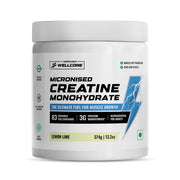
Beta-alanine (3.2-6.4g) buffers the acid buildup in muscles during higher-rep sets, delaying the burning sensation and allowing a few extra reps before failure. Creatine monohydrate and betaine anhydrous support strength and power output through improved cellular energy availability rather than central nervous system stimulation. Together, these ingredients can produce a genuinely effective training session without ever touching adrenaline or the nervous system the way caffeine does.
Who Benefits Most From Stimulant-Free Options
Evening and night trainers are the most obvious candidates, since a stim-free formula won't compromise sleep quality even when training within a few hours of bedtime. This matters more than most people realize, because poor sleep undermines recovery and muscle protein synthesis regardless of how hard the session itself was.
People with caffeine sensitivity, anxiety tendencies, or existing high daily caffeine intake from coffee and tea also benefit from removing another stimulant source from their day. Those training twice daily, where a second stimulant dose late in the day would compound with an earlier one, and anyone managing blood pressure concerns under medical guidance, often find stim-free formulas a more sustainable long-term option since there's no tolerance buildup to manage or cycle around.
Trade-Offs in Energy and Focus Between the Two Types
The most honest trade-off is that stim-free formulas generally can't replicate the sharp, immediate jolt of mental alertness and drive that caffeine provides. Users switching from a stim formula to a non-stim one for the first time often describe the pump and muscular endurance benefits as comparable, but report missing the mental "switch flip" that gets them into a focused training state, particularly on low-motivation days.
- Stimulant formulas: strong subjective energy and focus, faster perceived readiness to train, tolerance builds over time
- Non-stim formulas: steadier physical performance support, no crash or sleep impact, but less of a mental activation effect
Some lifters address this by using non-stim formulas most days and reserving a stimulant version for lower-motivation sessions or heavy training days where extra mental drive matters more.
Practical tip: If you're caffeine-sensitive but miss the "kick," look for a non-stim formula that includes L-theanine or tyrosine. These won't replicate caffeine's stimulant effect, but they support a calmer, more sustained sense of focus without any nervous system stimulation.
How Training Time of Day Should Influence Your Choice
Morning and early afternoon training sessions are generally the safest window for a stimulant formula, since caffeine's 4-6 hour half-life means it will have mostly cleared your system well before bedtime. Late afternoon sessions require more caution, particularly for slower caffeine metabolizers, since even a 4pm dose can still be partially active at 10pm.
A Simple Rule of Thumb
As a general guideline, avoid stimulant pre-workout within 6-8 hours of your planned bedtime unless you have a well-established tolerance and know from experience it doesn't disrupt your sleep. Evening training, which is common for people fitting workouts around work schedules, is the single strongest use case for a stim-free formula, since the alternative is either skipping the pre-workout benefit entirely or risking a night of poor sleep that undermines the very recovery the workout was meant to support.
- Non-stim formulas rely on citrulline, beta-alanine, creatine and betaine rather than central nervous system stimulation
- Evening trainers, caffeine-sensitive individuals, and twice-daily trainers benefit most from stim-free options
- Stimulant formulas offer stronger mental activation but come with tolerance buildup and sleep-disruption risk
- Training time of day should be a primary factor: avoid stimulants within 6-8 hours of bedtime
- Rotating between stim and non-stim formulas based on session timing and motivation can offer the best of both
Will a non-stim pre-workout still give me a pump?
Yes, the pump effect comes primarily from citrulline malate and nitric oxide production, which are independent of caffeine. Many lifters find non-stim formulas equally effective for pump and muscular endurance.
Can I combine a non-stim pre-workout with my regular coffee?
Yes, this is a common approach that lets you control your exact caffeine dose separately from the pump and endurance ingredients, rather than being locked into whatever amount is pre-mixed into a stim formula.
Is it worth alternating between stim and non-stim rather than picking one?
For many lifters, yes. Alternating helps manage caffeine tolerance while still getting a stimulant boost on the days that matter most, such as heavy lifting days or low-energy mornings.