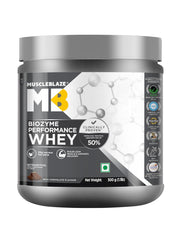
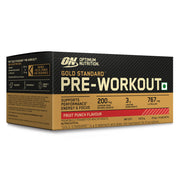
First-time pre-workout users are almost always caught off guard by the same thing: a prickling, tingling sensation across the face, neck, arms, and scalp that shows up ten to twenty minutes after dosing. It is not an allergic reaction and it is not a sign anything has gone wrong, it is a well-understood, harmless effect of a single ingredient: beta-alanine.
This article explains what beta-alanine actually does for training performance, why it causes the tingling sensation known as paresthesia, whether it means anything is wrong, and how to manage it if you find it uncomfortable.
What Beta-Alanine Does for Muscular Endurance
Beta-alanine is an amino acid that your body uses to produce carnosine, a compound stored in muscle tissue that acts as a buffer against acid buildup during high-intensity exercise. When you train hard for 60-240 seconds, think a tough set of 12-20 reps, a 400m sprint, or a hard circuit, hydrogen ions accumulate in your muscles, lowering pH and contributing to the burning sensation and fatigue that eventually force you to stop.
Higher muscle carnosine levels help buffer that acid buildup, which is why beta-alanine supplementation is associated with modest but real improvements in performance for exercise in that specific duration window. It is less useful for very short efforts under 60 seconds, like a one-rep max attempt, and less useful for long steady-state cardio, since acid buffering is not the limiting factor in either of those cases.
Unlike caffeine, beta-alanine's benefit comes from consistent daily use over time, carnosine stores build up gradually over two to four weeks of regular supplementation, rather than providing an acute one-time boost the way stimulants do.
The Physiological Cause of the Tingling Sensation
The tingling, known medically as paresthesia, happens because beta-alanine binds to and activates specific nerve receptors just under the skin. This triggers a mild, temporary nerve response that you feel as tingling, prickling, or itching, most commonly on the face, ears, scalp, and forearms since these areas have a high density of the relevant receptors.
It typically starts within 10-20 minutes of taking a dose and fades within 30-90 minutes, with no lasting effect once it passes. The intensity varies a lot between individuals, some people barely notice it while others find it quite pronounced, and it also tends to lessen somewhat with repeated regular use.
Whether the Tingling Indicates Anything Is Wrong
The tingling is not a sign of an allergic reaction, overdose, or anything harmful happening internally. It is simply the sensory nerve response to beta-alanine circulating in the bloodstream, and it has no connection to the ingredient's actual muscle-buffering benefit, you get the same training benefit whether or not you feel the tingle strongly.
Practical tip: If the tingling feels uncomfortable rather than just novel, it is not something you need to push through for the supplement to work, splitting your dose (described below) removes almost all of the sensation while preserving the full benefit.
Dosing Strategies to Reduce or Manage the Sensation
The tingling intensity is directly related to how much beta-alanine hits your bloodstream at once, not to your total daily intake. The most effective way to reduce or eliminate it is to split your dose into smaller amounts spread across the day rather than taking it all in one pre-workout scoop.
- Split dosing: Taking 800mg-1.6g at a time, two to four times a day, instead of one large 3-4g dose, dramatically reduces or eliminates the tingling while delivering the same total daily intake.
- Sustained-release formulas: Some products use a slow-release capsule form specifically designed to minimize the paresthesia response.
- Total daily target: Research-informed effective doses generally sit in the 3.2-6.4g per day range, taken consistently, rather than as a single large one-off dose.
If you actually enjoy the sensation as a mental cue that your pre-workout has kicked in, there is no downside to taking it as a single dose either, it is purely a comfort preference with no bearing on effectiveness or safety.
- Beta-alanine raises muscle carnosine levels, which buffers acid buildup during 60-240 second high-intensity efforts.
- The tingling sensation (paresthesia) comes from beta-alanine activating nerve receptors under the skin, mainly on the face and forearms.
- It typically appears 10-20 minutes after dosing and fades within 30-90 minutes with no lasting effect.
- The tingling is harmless and unrelated to whether the supplement is working.
- Splitting your dose into smaller amounts across the day virtually eliminates the sensation without reducing effectiveness.
Is it bad if I don't feel any tingling at all?
No, the intensity of the tingling varies widely between individuals and does not indicate whether the supplement is working, your body is still absorbing and using the beta-alanine either way.
How long does it take beta-alanine to start improving performance?
Because it works by gradually raising muscle carnosine stores, meaningful performance benefits generally build over two to four weeks of consistent daily use, not from a single dose.
Can I take beta-alanine on rest days?
Yes, and it is a good idea, since the benefit comes from maintaining elevated carnosine stores over time rather than from an acute pre-workout effect, daily consistency matters more than timing around training.