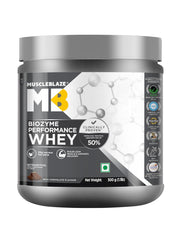
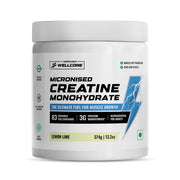
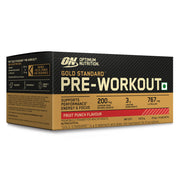
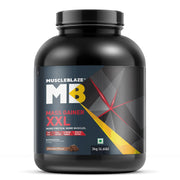
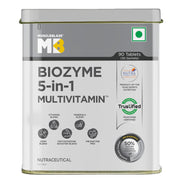
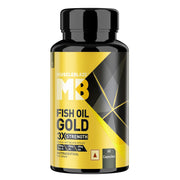
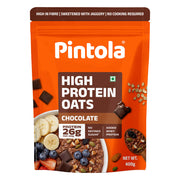
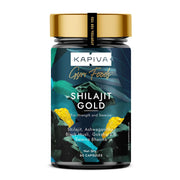
Pick up almost any supplement tub and you'll find the same wall of small print: a Supplement Facts panel, an ingredients list, a handful of certification logos, and usually a paragraph of marketing copy competing for your attention on the front. Most people glance at the protein-per-scoop number, check the flavor, and move on. That's a mistake — and it's exactly how underdosed, mislabeled and sometimes outright fake products end up in gym bags every day.
Reading a supplement label properly takes about ninety seconds once you know what you're looking for. This guide walks through exactly that: what each section of the label actually tells you, which numbers matter more than others, and the specific red flags that should make you question a product before you buy it.
Start With the Supplement Facts Panel, Not the Front of the Tub
The front of a supplement container is marketing. The Supplement Facts (or Nutrition Information) panel on the back or side is regulated, standardized data. Every serious buying decision should start there, not with the bold claims printed above the brand logo.
The panel will tell you three things in order of importance:
- Serving size — the exact scoop, capsule, or tablet count one serving represents
- Servings per container — how many total servings you're actually paying for
- Amount per serving — the actual dose of each active ingredient
This matters because pricing is almost always compared by container size, not by serving. A 2kg tub that only delivers 20g of protein per 33g scoop is a worse deal than a 1kg tub delivering 25g of protein per 30g scoop, even if the bigger tub looks cheaper per kilogram on the shelf.
The single most useful habit in supplement shopping is dividing total price by total active ingredient delivered — not by container weight, and not by number of scoops.
Understanding the Ingredients List
Ingredients are listed in descending order by weight. This one rule tells you a lot on its own. If a "high protein" bar lists corn syrup, sugar, and glycerin before any protein source, you're looking at a candy bar with a protein sticker on it, not a genuine protein product.
For protein powders specifically, look for the protein source named explicitly and early — "whey protein isolate," "whey protein concentrate," or "micellar casein," for example — rather than vague terms like "protein blend" with no breakdown. A named, specific source is far easier to verify and far less likely to be diluted with cheap fillers like maltodextrin or excessive gums and thickeners.
Proprietary Blends: The Biggest Red Flag on Any Label
A "proprietary blend" is a group of ingredients listed together under one umbrella name with only a single combined weight given — no individual dosages disclosed. You'll see this most often on pre-workouts and "fat burner" style products.
The problem is straightforward: a blend might list six impressive-sounding ingredients at a combined 5 grams, but there is no way to know if that's 4.9 grams of the cheapest ingredient and a token 0.02 grams each of the expensive, clinically-dosed ones. This practice, sometimes called "pixie dusting," lets a brand print a long ingredient list without committing to doses that would actually need to work.
Quick test: if a product's ingredients are individually dosed with exact milligram amounts for every single active, that's a strong positive signal. If you see a single combined number next to a bracketed list of five or more ingredients, treat every claim on that label with skepticism.
Certifications and Third-Party Testing Marks
Genuine third-party certifications are one of the few label elements that are independently verifiable, rather than self-reported by the brand. Look for marks like Informed-Sport, Informed-Choice, NSF Certified for Sport, or region-specific quality marks such as FSSAI licensing in India. These indicate a product has been tested by an organization with no financial stake in the brand's sales.
What to watch for: some brands print their own in-house "quality tested" seals that look official but carry no third-party verification behind them. A genuine certification will include a license or certificate number you can look up on the certifying body's own website — if a mark can't be verified that way, treat it as marketing rather than proof.
Serving Size Games
Manufacturers sometimes manipulate serving size to make numbers look better on the front label. A pre-workout might list an impressive "6g citrulline" — but if that's split across two scoops per serving, and the recommended serving on the front is actually a double-scoop, the real dose is half what a quick glance suggests.
Always cross-check the serving size stated on the Supplement Facts panel against the serving size implied by the marketing on the front of the pack. They should match. If they don't, do the math yourself before trusting any per-serving claim.
Batch Numbers and Manufacturing Dates
A genuine, quality-controlled product will have a batch or lot number printed somewhere on the packaging, usually near the expiry date. This isn't just bureaucracy — it's what allows a product to be traced back to its exact production run if there's ever a quality issue, and it's often what a manufacturer's own authentication system asks for when you're verifying a product directly with them.
If a container has no batch number, no manufacturing date, and no expiry date at all, that's a serious warning sign regardless of how convincing the rest of the packaging looks.
Common Marketing Words That Mean Very Little
Certain phrases are almost entirely unregulated and can be printed on virtually anything:
- "Clinically proven formula" — proven where, by whom, published in what journal? Without a citation, this is just a sentence.
- "Premium" or "Pharmaceutical grade" — neither term has a legal definition in most supplement markets.
- "Advanced" or "Next-gen" — descriptive marketing language, not a claim about the ingredient list.
None of these are necessarily lies — but none of them tell you anything a properly read Supplement Facts panel wouldn't tell you more precisely.
A Simple Five-Point Checklist
Next time you're comparing two products, run through this quickly:
- Does the serving size on the panel match what's implied on the front label?
- Are individual ingredients dosed separately, or hidden inside a proprietary blend?
- Is the primary active ingredient (protein, creatine, etc.) named specifically, not vaguely?
- Is there a verifiable third-party certification, not just an in-house seal?
- Is there a batch number and expiry date printed on the packaging?
A product that passes all five isn't guaranteed to be perfect, but it's a world away from something with none of these boxes checked.
- Always read the Supplement Facts panel before the front-of-pack marketing — it's the regulated, standardized part of the label.
- Compare price by total active ingredient delivered, not by container size or number of scoops.
- Proprietary blends without individual ingredient doses are the single biggest label red flag.
- Genuine third-party certifications (Informed-Sport, NSF, FSSAI, etc.) should be independently verifiable, not just an in-house seal.
- No batch number or expiry date on the packaging is a serious warning sign on its own.
Is a higher price always a sign of a better supplement?
No. Price often reflects brand marketing spend as much as ingredient quality. The label — specifically the Supplement Facts panel — is a far more reliable indicator of value than the price tag alone.
What's the difference between a proprietary blend and a regular ingredient list?
A regular ingredient list shows the exact dose of each active ingredient individually. A proprietary blend groups several ingredients under one name with only a single combined weight, hiding how much of each ingredient you're actually getting.
Do I need to worry about labels on products from well-known brands?
Reputable brands generally label more transparently, but counterfeits of well-known brands are common precisely because the name carries trust. Checking the label — and verifying authenticity through the manufacturer's own system when available — still matters regardless of brand recognition.