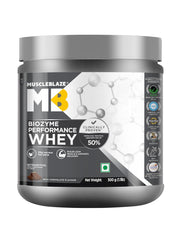
Walk down any supplement aisle and you'll see the same word — "whey" — attached to three different products at three different price points. The difference between whey concentrate, isolate, and hydrolysate isn't marketing fluff; it comes down to how the protein is filtered and processed after extraction from milk, and that processing genuinely changes the macronutrient profile, digestion speed, and price of the final product.
Understanding these differences means you can stop paying for a form you don't actually need, or start prioritizing the one your specific goal calls for.
Where Whey Protein Actually Comes From
Whey is a byproduct of cheese production — when milk is curdled to make cheese, the liquid that separates off is whey. That raw liquid whey is then filtered and dried into powder, and the specific filtration method used determines which of the three categories the final product falls into.
Whey Protein Concentrate (WPC)
Concentrate is the least processed and least filtered form. It typically contains 70-80% protein by weight, with the remainder made up of carbohydrates (mostly lactose) and fats that survive the filtration process.
- Protein content: ~70-80%
- Lactose content: Highest of the three forms
- Taste and mixability: Generally considered the creamiest and best-tasting, since fat carries flavor
- Price: Lowest per gram of protein
Concentrate is a perfectly good choice for most people without lactose sensitivity who are simply looking to hit a daily protein target affordably and enjoy the shake while doing it.
Whey Protein Isolate (WPI)
Isolate goes through additional filtration — typically cross-flow microfiltration or ion-exchange processing — that strips out most of the fat and lactose, concentrating the protein further.
- Protein content: ~90% or higher
- Lactose content: Very low, often under 1g per serving
- Taste and mixability: Thinner, sometimes slightly less rich-tasting than concentrate, but mixes very easily
- Price: Noticeably higher than concentrate per container, though the price gap narrows when compared per gram of actual protein
Isolate isn't inherently "better" than concentrate — it's a different tool for a specific situation: lactose sensitivity, aggressive calorie control, or wanting the leanest possible protein source.
Who Should Actually Choose Isolate
Isolate makes the most sense for people who are lactose intolerant or sensitive, people tracking calories very tightly during a cut where every gram of incidental fat and carbs matters, or anyone who's found that concentrate causes noticeable bloating or digestive discomfort.
Whey Protein Hydrolysate (WPH)
Hydrolysate takes isolate a step further through a process called hydrolysis, which pre-breaks the protein into smaller peptide chains before you ever consume it. This is meant to speed up digestion and absorption, since the body doesn't have to do as much of the breakdown work itself.
- Protein content: ~90%+, similar to isolate
- Digestion speed: Fastest of the three forms
- Taste and mixability: Often noticeably more bitter, due to the exposed peptide chains
- Price: Highest of the three, often significantly so
Hydrolysate is most commonly found in clinical and infant nutrition formulas, and in a smaller number of premium sports nutrition products marketed on faster absorption. For the average lifter, the real-world difference in muscle protein synthesis between isolate and hydrolysate is small enough that the price premium is difficult to justify.
Side-by-Side Comparison
Concentrate: ~70-80% protein, higher lactose, best taste, lowest cost — good default choice.
Isolate: ~90%+ protein, low lactose, clean macros, moderate cost — good for lactose sensitivity or strict cutting.
Hydrolysate: ~90%+ protein, fastest digestion, more bitter taste, highest cost — marginal benefit for most everyday users.
Does the Form Actually Change Your Results?
For total daily protein intake and long-term muscle growth, the research is fairly consistent: what matters most is hitting your total daily protein target, not which specific whey form you use to get there. The differences between concentrate, isolate, and hydrolysate matter far more for digestion, lactose tolerance, and macro precision than for raw muscle-building outcomes.
This means the "best" choice genuinely depends on your situation rather than one form being objectively superior. Someone with no lactose issues who's not on a strict cut has little practical reason to pay extra for isolate over a good-quality concentrate.
Reading a Blended Product Label
Many commercial products blend two or three forms together — for example, a concentrate-isolate blend. Check the ingredients list order (ingredients are listed by weight, descending) to see which form dominates the blend, since "whey protein blend" alone doesn't tell you the ratio.
- Concentrate (~70-80% protein) is the least filtered, most affordable, and best-tasting option for most people.
- Isolate (~90%+ protein) removes most lactose and fat, making it ideal for lactose-sensitive users or strict calorie tracking.
- Hydrolysate is pre-broken-down for faster digestion but comes at a real price premium with limited extra benefit for most lifters.
- Total daily protein intake matters more for muscle growth outcomes than which specific whey form you choose.
- Check the ingredients list order on blended products to see which form actually dominates.
Is whey isolate always better than concentrate?
Not necessarily — isolate has less lactose and slightly more protein per scoop, but concentrate is more affordable and often tastes better. The right choice depends on lactose tolerance, budget, and how tightly you're tracking calories.
Can lactose-intolerant people drink whey concentrate at all?
Some can tolerate small amounts, but many will experience bloating or discomfort. Isolate, with its much lower lactose content, is generally the safer choice for anyone with confirmed lactose sensitivity.
Is hydrolysate worth the extra cost for muscle building?
For most people, the practical difference in muscle-building results between isolate and hydrolysate is minimal. The faster absorption is real, but its real-world impact on long-term results is small relative to the price difference.