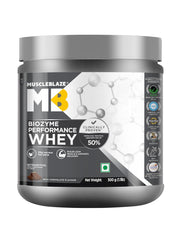
Whey concentrate and whey isolate come from the same source milk protein, but the way they're processed creates real differences in composition, digestibility, and price. Neither is universally "better" - the right choice depends on your budget, tolerance, and specific goals. This comparison breaks down exactly where they differ so you can pick based on your situation rather than marketing that positions isolate as automatically superior.
Protein and macronutrient differences
Whey concentrate typically contains 70-80% protein by weight, with the remainder made up of small amounts of lactose (carbohydrate) and fat left over from processing. Whey isolate goes through additional filtration - typically cross-flow microfiltration or ion-exchange processing - that strips out most of the remaining lactose and fat, pushing protein content up to roughly 85-95% by weight. In practical terms, a scoop of isolate delivers slightly more protein and noticeably fewer calories, carbs, and fat than the equivalent scoop of concentrate. For someone tightly tracking macros, particularly during a cutting phase, this difference can matter meaningfully across a day of multiple servings; for someone just meeting a general protein target, the difference per scoop is usually small enough not to change the outcome.
Digestibility and lactose content
This is where the two forms diverge most for a meaningful subset of users. Because concentrate retains more lactose, people with lactose intolerance or general dairy sensitivity often experience bloating, gas, or digestive discomfort with concentrate that isolate's lower lactose content avoids or substantially reduces. Isolate is not necessarily lactose-free unless specifically labeled as such (ion-exchange processing removes nearly all lactose, while some microfiltration processes leave trace amounts), so anyone with a true lactose allergy rather than mild intolerance should still check the label carefully or look specifically for hydrolyzed or lactose-free labeled isolate. For anyone without any dairy sensitivity, concentrate is generally just as easy to digest as isolate, and the digestibility argument for isolate mostly doesn't apply.
What about hydrolyzed whey?
Hydrolyzed whey isolate takes filtration a step further, pre-breaking proteins into smaller peptide chains for even faster absorption. It's the most expensive option and offers marginal practical benefit for most gym-goers outside of specific clinical or elite-performance contexts.
Cost-per-gram comparison
Isolate's additional processing steps cost more to manufacture, and that cost is passed on - isolate typically runs 20-40% more expensive per gram of protein than concentrate from the same brand tier. Whether that premium is worth it depends entirely on whether you're getting a functional benefit (digestibility, slightly leaner macros) from the switch, or just perceived prestige. Calculating actual cost per gram of protein delivered, rather than comparing tub prices, is essential here since isolate tubs are often smaller for a similar price point, exaggerating the apparent cost similarity.
Practical tip: If you don't have any dairy sensitivity and aren't in a strict calorie-cutting phase, a quality whey concentrate delivers essentially the same muscle-building outcome as isolate at a meaningfully lower cost per gram - save the isolate premium for when it solves an actual problem for you.
Who should prioritize one form over the other
Choose isolate if you have diagnosed or suspected lactose intolerance, you're in a strict calorie or macro-controlled cutting phase where the lower carb and fat content genuinely matters, or you simply prefer its typically thinner, less "milky" texture. Choose concentrate if you have no dairy sensitivity, you're prioritizing value and training consistently on a budget, or you're in a bulking or maintenance phase where a few extra grams of carbs and fat per scoop aren't a concern and might even be mildly useful. Many lifters end up using concentrate as their everyday protein and reserving isolate for specific situations, like a very lean cutting window or post-workout timing when faster absorption is prioritized.
- Concentrate delivers 70-80% protein by weight with some residual lactose and fat; isolate delivers 85-95%+ with most lactose removed.
- Isolate is generally better tolerated by those with lactose intolerance, but check labels since it isn't automatically lactose-free.
- Isolate typically costs 20-40% more per gram of protein due to additional processing.
- Neither form is objectively superior for muscle building in people without dairy sensitivity - the difference is mainly digestibility and macros.
- Choose based on your actual situation: dairy tolerance, budget, and whether you're in a strict cutting phase.
Does isolate build muscle faster than concentrate?
No meaningful difference exists in muscle-building outcomes between the two when total daily protein intake is matched, assuming no digestive issues are interfering with concentrate absorption.
Can I mix concentrate and isolate?
Yes, many products are blends of both, and there's no downside to using concentrate for most servings while reserving isolate for post-workout or a lean cutting phase.
Is isolate necessary if I have no digestive issues with dairy?
Not necessarily - if you tolerate concentrate well, isolate mainly offers a slightly leaner macro profile at a higher price, which may or may not matter depending on your specific goals.