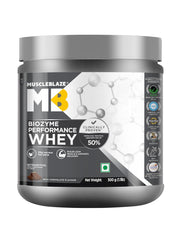
Every whey protein brand claims to be the purest, the best-tasting, and the most effective on the shelf. With that much marketing noise, it's easy to end up choosing based on packaging or a celebrity endorsement rather than substance. This guide covers the concrete things you can actually check to separate a genuinely good whey brand from one that's just good at advertising.
Verifying protein content and label accuracy
The first thing to check is whether the protein-per-scoop number on the front of the tub matches the nutrition panel on the back, since some brands use a larger scoop size to inflate the headline number while the actual protein percentage is unremarkable. Look at protein as a percentage of total scoop weight - a genuinely good whey concentrate should deliver somewhere around 70-80% protein by weight, and isolates should be higher, often 85-90%+. If you want independent verification beyond the label, look for brands that publish third-party Certificate of Analysis (CoA) reports or lab test results from an independent facility, ideally batch-specific rather than a single old report reused indefinitely. A brand confident in its product will make this information easy to find, not buried or unavailable on request.
Signs of a transparent, quality-focused manufacturer
Transparent brands tend to disclose where their whey is sourced (grass-fed, specific country of origin, etc.), what processing method was used (cold-processed, cross-flow microfiltration, ion-exchange), and provide a full amino acid profile rather than just total protein grams. They also list the complete ingredient panel without vague terms like "proprietary protein blend" that hide actual quantities. Manufacturing standards worth looking for include FSSAI licensing (mandatory for supplements sold in India), and voluntary third-party certifications such as Informed-Sport or NSF Certified for Sport, which test specifically for banned substances and contamination - particularly relevant if you compete in any tested sport.
Customer service as a signal
A surprisingly reliable quality signal is how a brand handles questions about sourcing, batch testing, or ingredient sourcing when you contact them directly. Evasive or templated non-answers are a red flag; specific, documented answers are reassuring.
Price-per-gram comparisons
Comparing tub prices directly is misleading because container sizes, scoop sizes, and protein-per-scoop all vary. The only fair comparison is cost per gram of actual protein delivered: divide the tub price by (protein per scoop x number of scoops in the tub). This normalizes out marketing tricks like slightly smaller scoops or filler-heavy blends that look cheap per kilogram but expensive per gram of usable protein. Once you calculate this across a few brands you're considering, the actual cost differences are often much smaller than the sticker prices suggest - and sometimes a supposedly "budget" tub turns out to be the pricier option per gram.
Practical tip: Keep a simple note on your phone with cost-per-gram-of-protein for 3-4 brands you're considering. Recalculate it whenever a sale or new product launches - this single number cuts through almost all whey marketing noise instantly.
Red flags that suggest corners are being cut
Watch for: protein content on the label that seems unrealistically high relative to price (heavily diluted or amino-spiked products sometimes inflate nitrogen-based protein testing with cheap free-form amino acids like glycine or taurine); vague sourcing language with no country of origin or manufacturing facility named; no FSSAI license number displayed on Indian packaging; a total absence of any independent testing or lab reports; and a pattern of frequent "new formula" relaunches without explanation, which sometimes signals cost-cutting reformulation rather than genuine improvement.
- Check that protein-per-scoop claims match the actual nutrition panel percentage (70-80%+ for concentrate, 85%+ for isolate).
- Prioritize brands that publish batch-specific third-party lab testing or CoA reports.
- Look for FSSAI licensing at minimum, and certifications like Informed-Sport for tested athletes.
- Always compare cost per gram of protein, not price per tub or per kilogram.
- Vague "proprietary blends," missing sourcing details, and no lab data are the clearest red flags.
Is a higher price always a sign of better quality whey?
Not necessarily. Price reflects sourcing, processing method, and marketing spend, not just quality. Comparing cost per gram of protein and checking for third-party testing is a far more reliable indicator than price alone.
What does amino spiking mean?
It refers to adding cheap free-form amino acids like glycine or taurine to artificially boost nitrogen-based protein test results, making a product appear to contain more actual whey protein than it does. Checking the full amino acid profile can help you spot this.
Does FSSAI licensing guarantee quality?
FSSAI licensing confirms a product meets basic Indian regulatory requirements for sale, but it isn't a substitute for independent lab testing or a full ingredient transparency check - think of it as a minimum baseline, not a full quality guarantee.