Mass gainers are frequently marketed as an essential tool for building serious size, sitting on the shelf next to whey protein as if every lifter chasing muscle needs one. In reality, they're a specific solution for a specific problem: getting enough total calories in when whole food alone isn't cutting it. For a large share of lifters, a mass gainer adds unnecessary sugar and calories rather than solving an actual gap in their diet.
This article breaks down the role calories actually play in muscle growth, who genuinely struggles to eat enough, how gainers differ nutritionally from regular protein powder, and when reaching for one can backfire.
The Role of a Calorie Surplus in Muscle Growth
Muscle growth requires a sustained calorie surplus, generally an extra 200-500 calories above maintenance per day, combined with adequate protein intake (roughly 1.6-2.2g per kg of bodyweight) and a progressive resistance training program. The surplus provides the energy needed to support the repair and building process, while training provides the stimulus that tells the body where that energy should go.
Without a surplus, even a well-designed training program and generous protein intake will only maintain muscle rather than build meaningfully new tissue in most natural lifters. This is the entire premise behind mass gainers: they exist to make hitting that surplus easier for people who struggle to do it through regular meals.
Who Struggles to Eat Enough Through Whole Food Alone
Naturally low-appetite individuals, often described as "hardgainers," frequently hit a point of fullness well before they've consumed enough calories for their training and growth goals, even when eating calorie-dense whole foods throughout the day. People with physically demanding jobs on top of intense training schedules face a similar problem: their total daily energy expenditure is so high that whole food alone would require an impractical volume of eating.
Very high bodyweight individuals with correspondingly high calorie targets, and people recovering from illness or a period of unintentional weight loss who need to rebuild quickly, are other groups where the sheer volume of required food becomes genuinely difficult to manage without a calorie-dense liquid supplement.
Practical tip: Before assuming you need a mass gainer, track your actual intake for 3-4 days using a food diary. Many people believe they're "eating a lot" while genuinely falling 300-500 calories short of their target, a gap that's often easier to close with an extra whole-food snack than an expensive supplement.
How Mass Gainers Differ Nutritionally From Regular Protein Powder
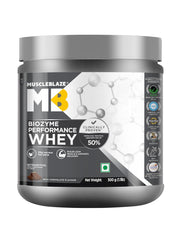
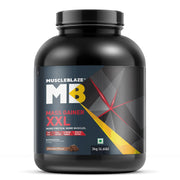
The core difference is total calories and macronutrient ratio. A typical whey protein serving delivers roughly 100-150 calories with 20-25g of protein and minimal carbohydrate or fat. A mass gainer serving, by contrast, often delivers 500-1300 calories per serving, with a much higher proportion of carbohydrates, and sometimes added fats, designed specifically to push total daily calorie intake up rather than simply supplement protein.
- Whey protein: ~100-150 calories, 20-25g protein, low carb/fat, primarily for protein target support
- Mass gainer: ~500-1300 calories, 20-50g protein, 80-250g carbs, built for total calorie support
This means a mass gainer is not simply a "stronger" protein powder; it's a fundamentally different tool designed to solve a calorie problem rather than a protein problem, and using one when protein is your actual gap wastes money on unneeded carbohydrate calories.
When a Mass Gainer Can Do More Harm Than Good
For lifters who already eat sufficient calories through whole food, adding a 1000+ calorie gainer shake on top pushes the surplus well beyond the 200-500 calorie range associated with primarily lean muscle gain, instead driving a larger surplus associated with excess fat gain alongside muscle.
People with insulin sensitivity concerns, a sedentary lifestyle outside of training sessions, or a goal of lean, controlled growth rather than maximum size are often better served by whole food calorie additions (nut butters, whole grains, dairy) that come with more balanced micronutrients and don't rely heavily on refined carbohydrate and sugar to hit their calorie count. Using a mass gainer as a substitute for building better eating habits, rather than a genuine bridge for a real calorie gap, is the most common way it backfires.
A Practical Decision Framework
Track your intake honestly for several days, calculate your actual deficit relative to your target surplus, and only then decide whether a gainer closes a real gap or simply adds convenience calories you didn't need.
- Muscle growth requires a 200-500 calorie surplus alongside adequate protein and progressive training
- Mass gainers exist to solve a calorie intake problem, not a protein intake problem
- Hardgainers, physically demanding jobs, and high bodyweight individuals are the clearest use cases
- Gainers deliver far more total calories and carbohydrate than regular whey protein per serving
- Adding a gainer when you already eat enough risks excess fat gain rather than the lean growth you want
Can I use a mass gainer instead of a meal?
It can supplement a meal in a pinch, but whole food generally provides better satiety, micronutrient variety, and fiber. Gainers work best as an addition between meals rather than a routine meal replacement.
Will a mass gainer make me gain fat instead of muscle?
It can, if the total surplus it creates exceeds what your training and genetics can convert into lean tissue. Tracking your weight gain rate (aiming for roughly 0.25-0.5% of bodyweight per week) helps keep the surplus appropriate.
Is a homemade gainer shake better than a commercial product?
Often yes for cost and ingredient control. Blending oats, whole milk, a banana, and a scoop of whey protein can replicate a similar calorie and macro profile to many commercial gainers at a lower cost per serving.