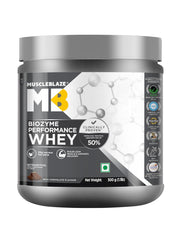
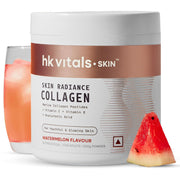
The best protein powder is the one you'll actually finish the tub of, which makes flavor and mixability more important to real-world results than most first-time buyers realize. A perfectly dosed, well-tested protein that tastes chalky or clumps in your shaker ends up half-used at the back of a cupboard. This guide covers what actually affects taste and texture, so your next purchase doesn't become another abandoned tub.
Why Isolate and Concentrate Mix Differently
Whey isolate and whey concentrate behave differently in liquid because of how they're processed. Concentrate retains more fat and lactose, giving it a creamier, richer mouthfeel, especially in milk, but that can also make it slightly harder to fully dissolve without residue. Isolate is more heavily filtered, resulting in a thinner, lighter texture that mixes more easily and cleanly in water, though some find it tastes thinner or less satisfying than concentrate. Milk versus water also changes the experience beyond fat content - milk's natural sugars and proteins interact with whey to produce a smoother, milkshake-like result, while water gives a lighter, more refreshing shake some prefer post-workout when a heavy drink feels unappealing. Neither combination is objectively "correct" - it's a genuine preference trade-off between richness and lightness.
Common Flavor Complaints and How to Avoid Them
A few recurring complaints show up across almost every brand and flavor line:
- Overly sweet or artificial aftertaste: often comes down to the specific sweetener used - sucralose tends to have a more noticeable aftertaste for many people than stevia or monk fruit blends. If one brand's sweetness profile bothers you, try a brand using a different sweetener before writing off flavor entirely.
- Chalky or gritty texture: more common in budget concentrates and some plant proteins; usually improves with more liquid, a longer blend/shake time, or switching to a more finely milled isolate.
- Flavors that taste artificial or "fake": chocolate and vanilla tend to be the most consistently well-executed flavors across brands, while more complex flavors (fruity, dessert-inspired) vary much more in quality - a reasonable rule when trying a new brand is to start with a classic flavor.
- Flavor fatigue: even a genuinely good flavor becomes tiresome after a large tub consumed daily - buying two different flavors to alternate helps prevent this.
Tips for Improving Texture
A few adjustments make a bigger difference than switching brands entirely:
- Use a shaker with a mixing ball/mesh rather than a plain bottle or spoon-stirring - mechanical agitation resolves most clumping issues regardless of brand.
- Blend instead of shake if you're combining protein with oats, banana, or peanut butter - a shaker struggles with thicker mixtures that a blender handles easily.
- Add liquid gradually rather than dumping powder into a full glass at once, which tends to cause clumping at the bottom.
- Try room-temperature or slightly warm liquid for better initial dissolving, then chill or add ice after mixing if you prefer it cold.
Practical tip: Add a tablespoon of instant oats, a frozen banana, or a spoon of peanut butter to a mediocre-tasting shake before writing off the whole tub - texture and flavor complaints are often easier to fix with a mix-in than by buying a new tub.
How to Sample Flavors Before Committing to a Full Tub
Committing to a large tub in an untested flavor is one of the most common regret purchases in supplements. A better approach:
- Buy single-serving sachets or a small trial pack if the brand offers one, even at a slightly higher per-serving cost.
- Check if the brand or retailer offers a flavor variety pack for first-time buyers.
- Ask friends or gym partners who already use a brand for a spare serving to try before buying your own tub.
- Start with a classic flavor (chocolate or vanilla) for your first full-size purchase, and experiment with newer or more adventurous flavors only after you know you tolerate and enjoy the base product.
Flavor and mixability aren't cosmetic details - they're the difference between a protein habit that sticks for months and a tub that sits half-finished. Treating this as seriously as ingredient quality is a smarter long-term strategy than optimizing for label specs alone.
- Isolate mixes thinner and cleaner; concentrate is creamier but can leave more residue, especially in water.
- Sucralose-based sweetness is the most common source of "artificial aftertaste" complaints - try a stevia-based option if this bothers you.
- A shaker with a mixing ball resolves most clumping issues without needing a different product.
- Classic flavors (chocolate, vanilla) are generally the most consistently well-executed across brands.
- Sample sachets or trial packs are worth the slightly higher per-serving cost before committing to a full tub in a new flavor.
Does mixing with milk change the protein content?
No, milk adds its own protein, calories, and sugars on top of the powder's stated content - it doesn't change what's in the scoop, but it does change the total nutritional profile of your shake.
Why does my protein taste different between batches?
Minor flavor variation between production batches is normal and usually comes down to small differences in flavor-compound sourcing. If a batch tastes dramatically different or notably worse, it's reasonable to contact the brand directly.
Is unflavored protein a good starting option?
It's a reasonable choice if you plan to blend it into smoothies, oats, or other flavored foods, since it won't fight with other ingredients. As a plain water-mixed shake on its own, most people find it far less enjoyable than a flavored option.