Search for fat loss supplements and you will find a market saturated with exaggerated claims, pills promising to melt fat or boost metabolism dramatically with a single capsule. Almost none of that lives up to the marketing. But underneath the noise, there is a small handful of supplements with a genuine, evidence-informed rationale for supporting a fat loss plan, not by burning fat directly, but by making the underlying diet and training easier to execute and sustain.
The most important framing here: supplements support a deficit, they do not create one. Everything below works only in the context of consistent training and a sensible calorie deficit, not as a replacement for either.
Supplements With Genuine Supporting Evidence
Caffeine
One of the few compounds with a consistent, well-established performance and appetite-related effect. A typical effective dose is 100-200mg roughly 30-45 minutes before training, which can modestly increase workout output and marginally raise energy expenditure. Tolerance builds quickly, so periodic breaks help maintain its effect over time.
Fiber supplements (psyllium husk, glucomannan)
These increase satiety and slow digestion, making a calorie deficit noticeably easier to tolerate, especially for people who struggle with hunger on lower-calorie days. Typical doses run 3-5g taken with a full glass of water before a meal.
Green tea extract
Has a mild, modest effect on energy expenditure, generally considered marginal on its own but reasonable as a small complement to a solid plan rather than a centerpiece strategy.
How Protein Powder Supports a Calorie-Deficit Diet
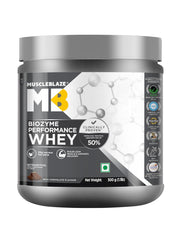
Protein powder is not a fat burner, but it may be the single most useful supplement category for anyone in a calorie deficit, for a few concrete reasons:
- Satiety, protein is the most filling macronutrient per calorie, and hitting a target of roughly 1.6-2.2g per kg bodyweight is much easier with a convenient powder than through whole food alone on a restricted calorie budget.
- Muscle preservation, adequate protein intake during a deficit significantly reduces how much lean tissue is lost alongside fat, especially when combined with resistance training.
- Convenience and adherence, a shake is a fast, low-effort way to hit protein targets on busy days, which directly supports the consistency that determines whether a diet actually works long-term.
Practical tip: If hunger is your biggest obstacle in a deficit, add a protein shake between meals rather than cutting meal sizes further, the extra protein and volume often does more for appetite control than an equivalent number of calories from carbs or fat.
The Limited Role of Fat Burner Style Products
Most commercial fat burner blends combine small doses of caffeine, green tea extract, and a handful of other minor ingredients into a proprietary blend, then market it as a dedicated fat-loss solution. In reality, the active ingredients in most of these products are the same few compounds discussed above, often at lower doses than if taken individually, wrapped in aggressive marketing language.
Some fat burners can provide a mild appetite-suppressing or energizing effect that makes a deficit slightly easier to stick to, which has genuine value, but none of them meaningfully burn fat on their own without the calorie deficit doing the actual work. Treat them, at best, as a minor convenience rather than a core strategy.
Why No Supplement Replaces Diet and Training Fundamentals
Every supplement discussed here operates at the margins, they make an already-sound plan slightly easier to execute or slightly more effective. None of them can substitute for the two things that actually drive fat loss:
- A consistent calorie deficit built from a sustainable eating pattern.
- Regular resistance training to preserve muscle mass while losing weight.
If either of those fundamentals is missing, no combination of supplements will produce meaningful fat loss results. Money spent on supplements before those fundamentals are locked in is money that would be better spent on food, a gym membership, or simply saved.
- Supplements support fat loss at the margins, they do not create the deficit needed to actually lose fat.
- Caffeine, fiber supplements, and green tea extract have the most consistent supporting evidence.
- Protein powder helps preserve muscle and manage hunger, making it arguably the most useful category overall.
- Fat burner blends mostly repackage the same few active ingredients at low doses with aggressive marketing.
- Diet consistency and resistance training remain the two non-negotiable fundamentals no supplement can replace.
Are fat burner supplements a waste of money?
Not entirely a waste, but their effect is minor compared to diet and training, and much of their active ingredient content overlaps with cheaper standalone options like caffeine.
Do I need a fat loss specific protein powder?
No, any quality protein powder, whey, casein, or plant-based, supports fat loss goals the same way; the marketing distinction between regular and fat-loss protein products is mostly cosmetic.
Can supplements alone cause fat loss without dieting?
No, every supplement with genuine supporting evidence works by supporting adherence to a calorie deficit or training program, not by independently burning fat regardless of intake.