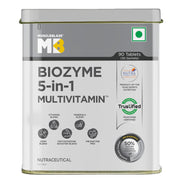
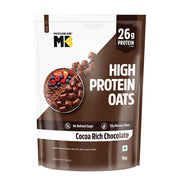
Weight management usually fails at the same predictable point: the 4pm slump, or the gap between dinner and bed, when hunger shows up and whatever's easiest to reach for wins. If that's a packet of biscuits or chips, you're adding 200-300 empty calories that do little for fullness and you're hungry again within the hour. Protein-forward snacks solve the actual problem — protein is digested more slowly than refined carbs and triggers stronger satiety signals gram for gram, so it's the single most effective lever for staying full between meals.
This guide covers specific snack options across three categories — no-prep, five-minute prep, and store-bought — along with the protein and portion numbers that actually matter for weight management.
Why Protein Specifically Controls Hunger Better
Protein has a higher thermic effect than carbs or fat (your body burns more energy digesting it) and it slows gastric emptying, so food sits in your stomach longer and delays the return of hunger. A 200-calorie snack with 20g of protein will keep you full noticeably longer than a 200-calorie snack that's mostly carbohydrate, even at an identical calorie count.
The number worth aiming for is 15-25g of protein per snack, not just "some protein." Below that threshold, the fullness effect is much weaker.
No-Prep Options (Keep These Ready)
- Plain Greek yogurt with a scoop of whey — stirring half a scoop of whey into 150g of plain, unsweetened yogurt turns a roughly 10g-protein snack into a 25g one, with almost no extra effort.
- Roasted chana (chickpeas) — a 30g handful delivers about 6-7g protein and the fibre slows digestion further; pair with a boiled egg to close the gap to 15g+.
- Paneer cubes, plain or lightly salted — 100g of paneer has roughly 18g protein and needs zero preparation beyond cutting.
- Boiled eggs — 2 eggs deliver about 12-13g protein; keep a batch boiled and refrigerated for up to 5 days.
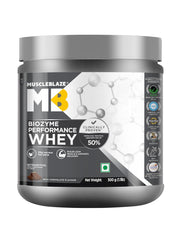
- Ready-to-drink protein shake or a shaker with a pre-measured scoop — the fastest option when you genuinely have zero time; one scoop of whey typically delivers 22-25g protein in under a minute.
Five-Minute Prep Options
- Protein-boosted sprouts chaat — toss a cup of moong sprouts with chopped onion, tomato, lemon, and chaat masala; adds about 7g protein and significant fibre.
- Peanut butter on apple slices — 2 tablespoons of natural peanut butter (no added sugar) with a sliced apple gives roughly 8g protein plus healthy fats that further slow digestion.
- Curd with roasted flax or chia seeds — stir a tablespoon of seeds into a bowl of curd for added protein, fibre, and omega-3s.
- Protein pancake, single-serve — whisk one scoop of whey with one egg and a mashed banana, cook on a nonstick pan for 90 seconds a side; delivers 25g+ protein.
Reading Store-Bought Snack Labels Correctly
Not every product marketed as a "protein snack" earns the label. Before buying, check two numbers on the pack:
- Protein per 100g, not per pack — packs vary in size, so comparing by weight is the only fair comparison.
- Sugar content — a "protein" cookie or bar with 15g of sugar alongside 10g of protein isn't meaningfully different from a regular cookie nutritionally.
Quick label test: divide grams of protein by grams of sugar on the label. A ratio of 2:1 or higher (protein to sugar) is a genuinely good snack choice. Below 1:1, you're mostly buying a dessert with a fitness label.
Building a Weekly Snack Rotation
Repeating the same snack daily gets abandoned within two weeks for most people. A practical rotation that avoids snack fatigue:
- Monday/Thursday: Greek yogurt + whey
- Tuesday/Friday: Boiled eggs + roasted chana
- Wednesday/Saturday: Protein pancake
- Sunday: Paneer cubes with chaat masala
Keep 2-3 emergency no-prep options (a shaker with pre-measured whey, a tub of roasted chana) in your bag or desk drawer for the days the rotation plan doesn't survive contact with a busy schedule.
Timing: Does It Matter When You Snack?
For weight management specifically, total daily protein and total daily calories matter far more than exact timing. That said, a protein snack 2-3 hours before a meal you tend to overeat at (commonly dinner) reliably reduces portion sizes at that meal by taking the edge off hunger beforehand.
- Aim for 15-25g protein per snack — below that, the fullness effect is much weaker.
- No-prep options like paneer, boiled eggs, and a whey shaker remove the biggest barrier: convenience.
- Check protein-to-sugar ratio on packaged snacks; aim for 2:1 or better.
- Rotate 4-5 snacks weekly to avoid abandoning the plan from repetition fatigue.
- A protein snack 2-3 hours before your biggest meal reliably reduces overeating at that meal.
Can I just eat more protein at meals instead of snacking?
Both work, but snacking on protein specifically targets the hours between meals when willpower is lowest and convenience-food temptation is highest — which is usually where weight management plans actually break down.
Is whey protein powder necessary, or can I hit these numbers with whole foods only?
Whole foods alone can work, but whey makes it far faster to hit 20g+ protein in under a minute, which matters most exactly when you're busiest and most likely to skip the snack or grab something less useful instead.
What's a good protein snack for late-night hunger specifically?
Plain Greek yogurt or paneer are good late options — casein-heavy dairy proteins digest slowly overnight, which helps curb the early-morning hunger that often leads to overeating at breakfast.