Whole foods and supplements are often framed as though you have to pick a side, but that framing misses the point of what supplements are actually for. The word itself is the clue — supplements are meant to supplement a diet, filling specific gaps rather than replacing the foundation a solid diet provides. Understanding where each one genuinely contributes lets you build a nutrition approach that's both practical and effective.
Getting this balance right matters both for results and for cost — supplements can get expensive quickly, and money spent replacing what a basic diet could already provide is money spent inefficiently.
What Whole Foods Provide That Supplements Typically Can't
Whole foods deliver nutrients within a complex matrix that isolated supplements simply don't replicate. A piece of fruit provides fiber, water content, a range of micronutrients, and beneficial plant compounds alongside its sugar content — very different from an isolated vitamin C tablet. This matrix effect influences digestion speed, satiety, and how nutrients are absorbed and used by the body.
Whole foods also provide fiber almost exclusively, which supports digestive health, satiety, and stable blood sugar in ways that few supplements address. They provide variety in texture and flavor that supports long-term dietary adherence, and they typically come with a broader spread of micronutrients per serving than any single supplement could offer, since real foods rarely contain just one isolated compound.
Where Supplements Genuinely Add Convenience or Value
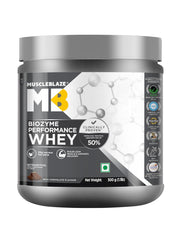
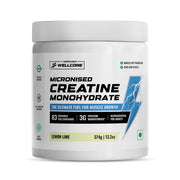
Supplements earn their place when they solve a specific, identifiable problem. Protein powder is useful when hitting daily protein targets through whole food alone would require an impractical amount of eating, particularly for people with higher protein needs or limited appetite. Creatine monohydrate is one of the most well-supported supplements for strength and power output, and it's difficult to get meaningful amounts from diet alone.
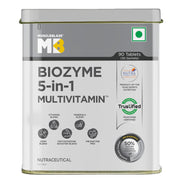
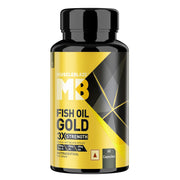
Vitamin D is commonly low in people with limited sun exposure or darker skin tones, making supplementation genuinely useful rather than optional in many cases. Omega-3s can help those who don't regularly eat fatty fish. Multivitamins can act as a reasonable insurance policy for people with inconsistent diets, though they shouldn't be relied on as a substitute for actually improving food quality.
Practical tip: Before buying any new supplement, ask what specific gap it fills in your current diet. If you can't name one, the money is likely better spent on higher-quality whole foods instead.
How to Identify Gaps in Your Current Diet
Start by tracking your typical intake for a week without changing anything, then look for patterns. Common gaps include inadequate protein (particularly for those eating mostly plant-based or smaller portions), low fiber intake from insufficient vegetables and whole grains, insufficient omega-3 intake from limited fatty fish consumption, and low vitamin D from limited sun exposure, especially for those working indoors most of the day.
Blood work, where accessible, can identify specific deficiencies (vitamin D, B12, iron, and others) far more precisely than guessing. For those unable to get blood work done, focusing on the most common gaps — protein, fiber, and vitamin D — covers the majority of realistic shortfalls for most people eating a reasonably varied diet.
Building a Diet-First Approach With Supplements as Support
A practical order of operations works well here. First, build a diet with a reasonable variety of protein sources, vegetables, fruits, and whole grains that covers most nutritional bases. Second, identify any specific, persistent gaps that remain despite reasonable effort — not gaps from a single bad day, but patterns over weeks. Third, choose targeted supplements that address those specific gaps rather than a broad stack of products marketed as generally beneficial.
This approach naturally keeps supplement spending focused and effective rather than scattered across products chasing marginal or unproven benefits. A handful of well-chosen supplements — protein powder, creatine, and vitamin D being common examples — addressing genuine gaps will do far more for results than a cupboard full of products that duplicate what a better diet would already provide.
- Supplements are meant to fill specific dietary gaps, not replace a solid diet foundation.
- Whole foods provide fiber, water, and a nutrient matrix that isolated supplements can't replicate.
- Protein powder, creatine, vitamin D, and omega-3s are among the most evidence-backed supplements.
- Track your intake or get blood work to identify real gaps rather than guessing what you need.
- Build your diet first, then add targeted supplements only for gaps that persist over weeks.
Are supplements a waste of money if I eat a good diet?
Not necessarily — even a good diet can have specific gaps like vitamin D or convenience needs like meeting high protein targets, where a targeted supplement still adds real value.
Which supplements have the strongest evidence behind them?
Protein powder, creatine monohydrate, vitamin D (when levels are low), and omega-3s (when fish intake is low) are among the most consistently supported by current research.
Can I get all my protein from whole foods instead of powder?
Yes, though it may require more deliberate meal planning and larger portions of protein-dense foods. Protein powder is simply a convenient, cost-effective option, not a nutritional requirement.