"Take your vitamins" gets treated as one blanket instruction, but the 13 essential vitamins your body needs behave in very different ways — some are stored for months, others need daily replenishment, and a few matter far more to active people than others. Understanding these distinctions helps you actually prioritize instead of just buying whatever multivitamin is on sale.
Essential Versus Conditionally Needed Vitamins
The 13 essential vitamins — A, C, D, E, K, and the eight B vitamins — are called essential because your body cannot manufacture them in sufficient amounts on its own; they must come from food or supplements. Vitamin D is a partial exception since your skin can produce it from sunlight exposure, but for most people with limited daily sun exposure, dietary or supplemental intake still matters.
"Conditionally needed" compounds like choline, inositol, or certain carotenoids aren't classified as essential vitamins, but become more relevant under specific circumstances — pregnancy, certain diets, or high training loads. For most healthy, active adults, the 13 essential vitamins are where attention should go first.
Vitamins Most Linked to Energy, Immunity, and Recovery
A handful of vitamins show up repeatedly in conversations about training performance and recovery:
- B-complex vitamins (B1, B2, B3, B6, B12, folate): Directly involved in converting food into usable energy at the cellular level; low intake is commonly associated with fatigue
- Vitamin C: Supports immune function and collagen synthesis, relevant for connective tissue health and recovery from training stress
- Vitamin D: Involved in immune regulation, muscle function, and bone health — deficiency is common and often symptomless until it's fairly advanced
- Vitamin E: An antioxidant that helps manage oxidative stress generated during intense exercise
Common Dietary Gaps in Modern Eating Patterns
Even reasonably healthy eaters tend to fall short on a predictable shortlist: vitamin D (limited sun exposure and few dietary sources), B12 (mainly found in animal products, a concern for plant-based eaters), and folate (under-consumed when vegetable intake is low). Processed, calorie-dense but nutrient-poor foods make these gaps worse, since they displace the vegetables, whole grains, and lean proteins that would otherwise supply these micronutrients.
Restrictive diets — whether for fat loss, convenience, or ethical reasons — tend to widen these gaps further, simply because they narrow the range of foods being eaten regularly.
Practical tip: Rather than guessing which vitamins you're short on, keep a simple 3-day food log once every few months. Patterns become obvious quickly — for example, if you rarely eat oily fish, dairy, or eggs, vitamin D and B12 are worth paying closer attention to.
Prioritizing Vitamins for Active People
If you had to rank order where to focus first as someone who trains regularly, a reasonable priority list looks like this:
- Vitamin D — widespread deficiency, especially for people who train indoors or live in areas with limited sun
- B12 — critical for energy metabolism and nerve function, especially important for plant-based eaters
- Vitamin C and E — support recovery and manage training-induced oxidative stress
- Folate and other B vitamins — generally well-covered by a varied diet but worth checking if intake of vegetables and whole grains is low
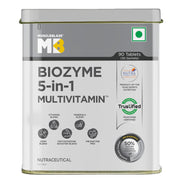
A daily multivitamin can serve as a reasonable baseline safety net, but it shouldn't replace attention to actual food quality — no supplement fully substitutes for a varied diet built around vegetables, fruit, lean protein, and whole grains.
- The 13 essential vitamins each play distinct, non-interchangeable roles in the body
- B vitamins, vitamin C, D, and E are most closely tied to energy, immunity, and recovery
- Vitamin D, B12, and folate are the most common gaps in typical modern diets
- Restrictive or low-variety diets widen these gaps further
- Prioritize vitamin D and B12 first if you're deciding where to focus supplementation
Do I need a multivitamin if I eat a balanced diet?
If your diet is genuinely varied and includes plenty of vegetables, fruit, dairy or fortified alternatives, and protein sources, a multivitamin is more of an insurance policy than a necessity. It becomes more valuable when your diet has known gaps.
Can I take too many vitamins at once?
Yes, particularly with fat-soluble vitamins (A, D, E, K), which can accumulate in the body. Water-soluble vitamins are generally excreted more easily, but sticking to recommended daily amounts is still the safer approach.
Which vitamin deficiency is most common among active people?
Vitamin D deficiency is widely reported, particularly among people who train indoors, wear sunscreen consistently, or live in regions with limited sunlight for parts of the year.